


FLASH NEWS
"To be locked up in the prison of the enemies of the people", the order for the punishment of Mitrush Kutel in 1947! The writer's file and testament

2026-02-01 12:53:50 / JETË
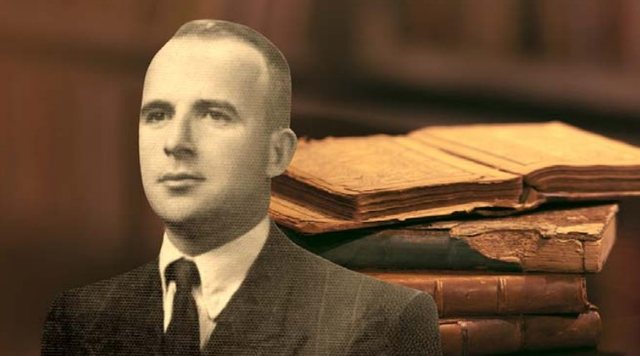
Dhimitër Pasko, known by the pseudonym Mitrush Kuteli, was born on September 13, 1907 in Pogradec. He is considered a very good writer, translator, and economist.
He wrote under the pseudonyms Mitrush Kuteli, Izedin Jashar Kutrulia and Dr. Pas. He completed his secondary studies in Thessaloniki, and his higher education in Bucharest, where in 1934 he received the title of “Doctor of Economic Sciences”. In 1942 he returned to Albania, where he worked first as an economist and later as a translator. In early 1947, during the extensive campaign of arrests of the Albanian intellectual elite, he was sentenced to 10 years in prison as an opponent of the communist regime. From this sentence he spent two years in political prisons and was then amnestied and began working as a translator at the “Naim Frashëri” publishing house. Mitrush Kuteli, who made a contribution to Albanian literature, died on May 4, 1967 in Tirana.
THE WRITER'S CONDEMNATION
The accusations of “fascist” and “anti-Yugoslav” surrounded the intellectual’s arrest, but the investigation reports and the uncovered facts testify to the lack of truth in the first and of guilt in the second. The file documenting the writer’s conviction contains the order of the Public Prosecutor, according to which “Dhimitër Pasko is to be detained for an indefinite period and locked up in the prison of enemies of the people.”
In the investigation report, according to Kujto.al, Dhimitër Pasko answers questions about his involvement in the front with the Nazi forces of Romania, where he lived at the time, about his activity in the National Bank during the occupation, about the articles published in the newspaper "Bashkimi i Kombit" and his relations with Kostë Boshnjaku and Kolë Kuqali, now declared enemies. Dhimitër Pasko has never denied participating in the troops that set off towards the Soviet Union in 1941, in which military, civilian and intellectuals were forcibly recruited.
When asked if he had volunteered for that gathering against the Red Army of the Soviet Union, he answered with a convincing denial. "No, I was not and I did not even think about it, but they took me as a soldier for several months by force and I waited for the first opportunity to leave. I stayed there for two months and worked as a secretary II. I was released through the bank, after I requested such a thing myself," he said, and his departure from the front, his return to Romania and then to Albania, where the fascists had killed his father and burned his house in Pogradec, and his proven resistance to the German invaders while working as a bank manager, when he began to be pursued by the Germans and ended up on the Gestapo blacklist in Vienna, confirm his words.
“Unë kam menduar si kundra okupatorit, për mos me i dhënë mjete financiare, për të larguar ose ngadalësuar ato që jipte qeveria, për të sigurue rezervën e arit dhe për të mos emetuar monedhë të re etj.”, është shprehur Dhimitër Pasko. Për shkrimet në gazetën “Bashkimi i Kombit”, ka thënë që kanë qenë kritike ndaj qeverisë, ndërsa me Kostë Boshnjakun e Kolë Kuqalin që kishte vetëm marrëdhënie për hir të punës dhe studimeve dhe që nuk kishte zhvilluar asnjë nga ato bisedat që pretendonte Prokuroria për rrëzimin e pushtetit. E megjithatë, Dhimitër Pasko u dënua me 5 vjet heqje lirie.
Ndoshta trupi gjykues e pranonte që ai nuk ishte reshtuar vullnetarisht kundër Ushtrisë së Kuqe, por nuk mund të pranonte kurrsesi që ai ishte reshtuar kundër Jugosllavisë, si financier, por edhe si shkrimtar, me poemën “Poemi kosovar”. Vetëm pasi u dha vendimi, bashkëshortja dhe miqtë u lejuan ta takonin. Pas kësaj, e dërguan në Vloçisht, ku ai i nënshtrohet jo vetëm punës së rëndë, por edhe poshtërimit e torturës që përmblidhen në episodin makabër, që vite më vonë e ka treguar gjatë një përkujtimoreje të shkrimtarit, dëshmitari, Hamza Tusha.
“Ndërsa punonim të gjithë aty në atë kamp, një kapter që quhej Skënder, thërret me të madhe që t’i sillnin atë shkrimtarin. Pastaj urdhëroi dy të tjerë që t’i hapnin një gropë të madhe mbi një metër e gjysmë të thellë”. …”Mbaj mend që atëherë ishte shumë ftohtë. Ishte ndoshta fillim prilli dhe koha ende nuk kishte nisur të ngrohej. Si e futën brenda në gropë, e mbuluan me plisat që kishin lënë rreth saj, derisa dheu i arriti deri te mjekra…pastaj, e lanë aty, të futur brenda në tokën e ftohtë e të lagësht afër kënetës së Maliqit. Si kaluan disa orë, atij filloi t’i ikë fytyra. Iu shtrembëruan nofullat dhe nuk nxirrte dot asnjë tingull nga goja. Ne të gjithë e shihnim, pa mundur të bënim asgjë. Të ktheje fjalë atëherë, sidomos në situata të tilla, ishte si ta kërkoje vdekjen me zor!!” …”Atë kohë komandant kampi, ishte një i quajtur Tasi Marko. Në momentin që ai kishte ardhur për të thirrur të burgosurit, një shoku im që kisha në krah më thotë: “Sa keq, ky njeri që është groposur këtu është një shkrimtar i madh.
Pse nuk i del komandantit përpara t’i tregosh (unë isha komandant i një brigade të vogël të burgosurish që udhëhiqja punën). Megjithëse kisha shumë frikë, e mora guximin dhe i dola përpara komandantit duke i thënë: “Kapter Skënderi ka futur një njeri të gjallë në dhe!”… “Mbaj mend që ai u alarmua. Kërkoi me ngulm të gjente kapterin që kish bërë këtë veprim. Më pas e nxorën trupin e shkrimtarit duke i bërë shërbimet e duhura që ai të vinte në vete!”, ka mbyllur rrëfimin e tij Hamza Tusha.
KTHIMI NË TIRANË
They kept him in that camp for 7 months, until they brought him to Tirana, to join a group of convicts with whom he would translate. Then, in April 1949, he was released. The reason for the amnesty, which could also have been the breakdown of relations with Yugoslavia, was said to be the punishment of Koçi Xoxe, calling the arrest of Dhimitër Pasko his work. Like every other important decision for Dhimitër since the day of his arrest, Efterpi learned about it by chance, reading the names of the amnestied in the newspaper “Zëri i Popullit”.
He would start working at that newspaper a few months later as a translator, due to the need for translations and not because he had suddenly turned from an enemy into a welcomed intellectual in Albania's media and literary circles.
He never became one. After "Zërit të Popullit", he was promoted to translator at the "Naim Frashëri" publishing house, not as a clerk, but as a collaborator who was paid by the number of pages, a job to which he had to submit to the point of exhaustion in order to support his family, where four children were born.
They did not grant him the right to publish; they did not make him a member of the Writers' League that he had co-founded; they did not publish his name in translations, and yet Dhimitër Pasko continued to work and left to his children the bequest "to love the homeland and the language to the point of suffering, so that their hearts would not be turned against Albania even when they were suffering without fault". How foreign to that time that letter with biblical advice, opened in 1967, when Albania was declared an atheist state. And how inspiring it is even today! / Gazeta Panorama




Happening now...




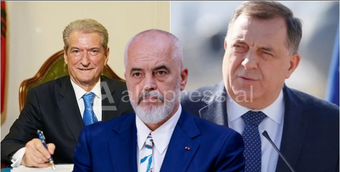
Rama dhe Berisha “rrëzohen” nga rasti Dodik
Nga Bato Kosova
ideas


The great loneliness of the West and liberal democracy
Nga The Economist

Corruption money is buying political time.
Nga Taulanda Jupi
top


TRENDING 




services
- POLICE129
- STREET POLICE126
- AMBULANCE112
- FIREFIGHTER128