


FLASH NEWS
Italy/ Investigations, laws and poisons, the eternal clash between politics and justice
Nga Giovanni Bianconi
Why do some people still believe that aliens formed ancient civilizations?

2026-03-24 23:12:42 / MISTERE&KURIOZITETE
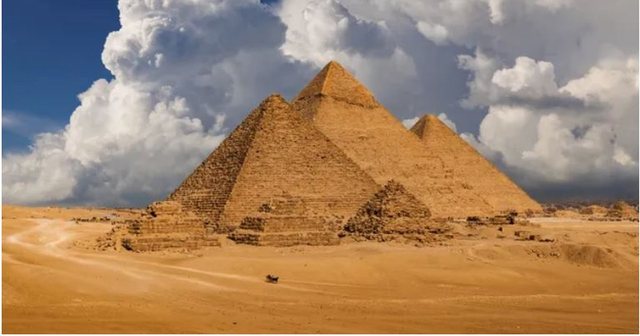
Could ancient people really have built the pyramids without extraterrestrial help? Or do these questions reveal more about modern anxiety than the past itself?
The idea that aliens helped the builders of ancient monuments was promoted by Swiss author Erich von Däniken in his best-selling book “Chariot of the Gods,” published in 1968. Von Däniken died in January 2026, but his vision of ancient astronauts still fascinates millions of people.
The author had shown ancient structures like pyramids, along with enigmatic objects, as supposed evidence that beings from outside Earth formed past civilizations.
Although these ideas have been repeatedly debunked, television programs like "Ancient Aliens" on the History Channel continue to air similar stories.
Erich von Däniken's theories emerged at a unique historical moment. They took shape during the Cold War, amidst fears of nuclear annihilation, the space race, and rapid technological change.
As humans prepared to leave Earth, while simultaneously confronting its destructive power, the idea of ancient astronauts offered both cosmic solace and existential drama. The past became a stage for modern hopes and anxieties.
The reason some people believe in completely unfounded theories is also related to the nature of archaeology itself. The field works with partial evidence, varying layers, and interpretations that rarely yield simple conclusions. Sites like Giza in Egypt, Göbekli Tepe (a Neolithic settlement in modern-day Turkey known for its monumental pillars decorated with reliefs), and Troy, also in Turkey, are not unsolved mysteries, but the result of decades of systematic research and analysis.
At Giza, archaeologists have discovered planned settlements for workers, bakeries and organized food supply systems, showing how thousands of workers could build the pyramids over decades.
Göbekli Tepe shows that its monumental stone pillars were erected by hunter-gatherer communities thousands of years before the invention of writing, not through alien intervention, but through coordinated labor and ritual innovation. At Troy, successive layers of settlements indicate centuries of reconstruction, adaptation, and regional exchange, not a sudden technological anomaly.
Archaeological conclusions are cautious, probabilistic, and based on material evidence. To outsiders, however, this caution can seem like hesitation. Pseudoscience fills this “gap” with spectacle: aliens built the pyramids; mysterious forces erected Göbekli Tepe; forgotten supertechnologies built the walls of Troy. Without context, evidence becomes entertainment. Complexity is simplified into allusions.
Një argument tipik i teorive të “alienëve të lashtë” tregon këtë model: piramidat janë jashtëzakonisht precize. Sipas pretendimit, saktësia kërkon teknologji të avancuar; prandaj, njerëzit pa makina moderne nuk mund t’i kenë ndërtuar.
Ky arsyetim tingëllon logjik, por bazohet në një dilemë të rreme. Ajo që zhduket nga vëmendja është pikërisht ajo që studion arkeologjia: logjistika, organizimi i punës, veglat, njohuritë e grumbulluara dhe edhe papërsosmëritë e vogla që tregojnë dorën e njeriut.
Joshja e së jashtëzakonshmes
Këto shpjegime plotësojnë një nevojë të thellë psikologjike. Dikur feja shpjegonte qëllimin, ndërsa shkenca shpjegon procesin. Hipoteza e “astronautëve të lashtë” shfrytëzon prirjen për të besuar se arritjet e jashtëzakonshme duhet të kenë shkaqe të jashtëzakonshme.
Ashtu si legjendat mesjetare që i paraqisnin piramidat si mbrojtje nga katastrofat kozmike, rrëfimet moderne e vendosin njerëzimin si pjesë të një plani të madh të drejtuar nga qenie superiore. Vendndodhjet arkeologjike kthehen në skena të një drame kozmike.
Njerëzit nuk shihen më si krijues; e kaluara bëhet e jashtëzakonshme sepse “është ndihmuar”. Kjo ide nuk kufizohet vetëm te një grup i vogël njerëzish. Sondazhet tregojnë se shumë njerëz e konsiderojnë jetën jashtëtokësore të mundshme apo edhe të mundshme në shkallë të lartë.
Shumë shkencëtarë bien dakord se, duke pasur parasysh madhësinë e universit, një jetë e tillë është statistikisht e mundshme. Por mundësia nuk është provë, dhe sigurisht nuk është dëshmi për ndërhyrje të alienëve në lashtësi.
Mosbesimi e përforcon këtë efekt. Universitetet, muzetë dhe revistat shkencore shpesh paraqiten si institucione që fshehin të vërtetën. Kundërshtimi shkencor shihet si provë e një komploti.
Gjuha akademike, e kujdesshme dhe e saktë, e ka të vështirë të konkurrojë me deklarata dramatike. Pyetje si: “Si mund ta kenë ndërtuar njerëzit këtë pa teknologji moderne?” tashmë përmbajnë një aludim.
Mediat digjitale e përshpejtojnë këtë fenomen: pretendimet vizualisht tërheqëse përhapen më shpejt se shpjegimet metodologjike. Arkeologjia thekson ndryshimin gradual dhe njohurinë e grumbulluar; pseudoshkenca premton zbulime të menjëhershme.
Arkeologjia pseudoshkencore nuk është vetëm një grup besimesh, është edhe një industri fitimprurëse. Librat për astronautët e lashtë shiten në miliona kopje në mbarë botën. Programet televizive gjenerojnë të ardhura të qëndrueshme dhe figurat kryesore tërheqin qindra mijëra ndjekës online.
Ndërkohë, puna shkencore qarkullon në një ekonomi krejt tjetër: botimet janë të kufizuara dhe fitimet të vogla. Kjo është jo vetëm një betejë idesh, por edhe një betejë për vëmendje: spektakli shpërblehet më shumë se kujdesi.
Gjenialiteti retorik i von Däniken qëndronte te paqartësia. Ai rrallë bënte deklarata të drejtpërdrejta, duke preferuar pyetje sugjestive dhe krahasime selektive që e kthenin pasigurinë në aludim.
As he once said: “Chariots of the Gods was full of speculation, I had 238 question marks. Nobody read the question marks. They said: Mr. von Däniken is saying… I didn’t say – I asked.” The strategy is simple: present the speculation as a question and the criticism as a misunderstanding.
The popularity of pseudoscience is not simply ignorance. It reflects the difficulty of interpreting partial evidence, the desire for meaning, the decline of trust in institutions, and the power of digital media.
But denial alone is not enough. Archaeology doesn't just uncover artifacts; it builds narratives about how people organized work, shared beliefs, and transformed the environment. These narratives are also informed by the questions of our time, and acknowledging this strengthens science, not weakens it.
It's important to debunk claims about aliens. But it's equally important to tell richer, more compelling stories about how humans have constructed their past.
Archaeology shows that uncertainty is intellectual honesty, that knowledge grows gradually, and that context deepens wonder, not diminishes it.
Monuments, cities, and human creativity are the achievements of humanity itself, not the traces of lost cosmic visitors. Through collaboration, experimentation, and perseverance, humans created the extraordinary, without any extraterrestrial help.
Through rigorous research and compelling storytelling, archaeology shows that the extraordinary has never been extraterrestrial. It has always been human./ Eye
Happening now...











ideas

Italy/ Investigations, laws and poisons, the eternal clash between politics and justice
Nga Giovanni Bianconi

This PD doesn't know how to value life or death anymore!
Nga Fitim Zekthi

top


Alfa recipes



TRENDING 




services
- POLICE129
- STREET POLICE126
- AMBULANCE112
- FIREFIGHTER128