


FLASH NEWS
How did people survive the Ice Age?

2025-06-08 14:52:36 / MISTERE&KURIOZITETE
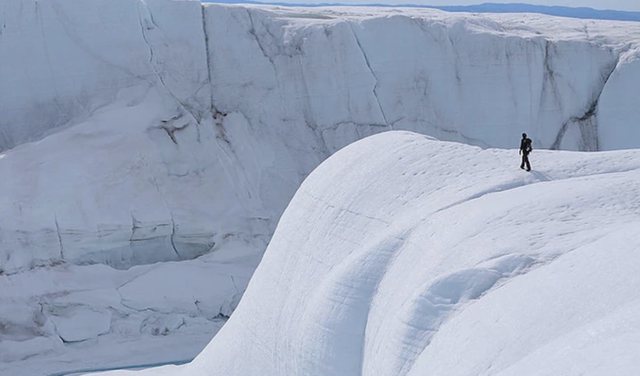
Since the origin of our species around 300,000 years ago, modern humans have spread across the world, equipped with the ability to adapt to their surroundings. But beyond their innate talent for coping with a wide variety of climates, Homo sapiens are also able to endure episodes of extreme climate change.
During the Ice Age, starting about 115,000 years ago, humans managed to survive extreme weather conditions that their hominin relatives (a primate of the Hominin lineage) were unable to withstand. But how did our species do?
Anthropologists and archaeologists don't yet have a clear answer. However, vague theories and possible explanations often emphasize our species' extraordinary social abilities to change the environment to our advantage.
To understand how humans survived and adapted to the Ice Age, it is important to appreciate what they were facing. In long-term periods called Ice Ages, temperatures throughout the planet's atmosphere and surface drop significantly, causing continental ice and glaciers to cover significant parts of the Earth.
Although these periods are commonly perceived as times when everything is constantly freezing, Ice Ages are actually associated with frequent fluctuations, as temperatures fluctuate between cold and extremely cold. In fact, the period between 115,000 and 11,700 years ago, also known as the “Ice Age,” had extraordinary climate instability.
"The last 100,000 years have been a period of great fluctuations between cold and warm. This dynamism of the planet raised a fundamental question for all organisms about how to survive change," says Rick Potts, a paleoanthropologist who directs the Human Origins Program at the Smithsonian Institution.
In fact, climatic conditions caused severe consequences for many plant and animal species, which found it very difficult to adapt to the sudden changes in their surroundings. Of course, hominins also faced the same challenge. At the beginning of the Ice Age, we were not the only hominins on Earth.
The last traces of Homo Erectus and Homo floresiensis are found in the Sishuj Islands of Indonesia.
The Denisovans populated Asia. Meanwhile, the Neanderthals managed to cope with the cold climate of Europe. Although these species, our closest evolutionary relatives, had flourished in the past, the archaeological record shows that they disappeared in the middle of the Ice Age.
Pse? “Nuk ka asnjë shpjegim universal,por shumë ide për atë se çfarë mund të ketë ndodhur”- thotë Pots. Një teori e vazhdueshme sugjeron që këto specie u zhdukën kur një specie më e zgjuar hominine – e jona – u shfaq në territoret e tyre dhe i mposhti ata përmes dhunës apo marrjes së ushqimit.
“Përhapja e Homo sapiens afër kohës së zhdukjes së të gjitha këtyre specieve të ndryshme, ngre dyshime, dhe ato përforcohen kur njerëzit mendojnë mbi dhunën që njerëzit i kanë shkaktuar njëri-tjetrit, madje edhe mbi speciet tona përgjatë historisë. Pra, njerëzit do të dyshojnë gjithmonë se speciet tona vranë të tjerët, por ka shumë pak prova për ta treguar këtë”- theksoi antropologu.
Njëra nga teoritë kryesore sot, pretendon se ndryshimet e papritura klimatike të asaj periudhe, kontribuan në zhdukjen e këtyre popullsive. Studimet më të fundit tregojnë se disa periudha të papritura të të ftohtit ekstrem dhe gjithashtu të thata rreth 44.000-40.000 vjet më parë i shfarosën Neandertalët, pavarësisht përshtatjeve të tyre të bollshme biologjike dhe të sjelljes ndaj të ftohtit.
“Është shumë e qartë lidhja e klimës me zhdukjen e tyre. Në fund u bë shumë ftohtë për të gjetur ushqim dhe ata ngrinë deri në vdekje”-thotë Xhon Shi, paleoantropolog në Universitetin Stoni Bruk. Disa studiues, përfshirë Shi, spekulojnë se luhatjet e klimës dhe furnizimi me ushqime u përkeqësuan nga demografia.
Studime të tjera hipotetizojnë se Neandertalët ishin të grupuar në popullata kaq të vogla dhe të dobëta, saqë çdo kërcënim ndaj aftësisë së tyre për t’u riprodhuar – qoftë i lidhur me klimën apo një shkak tjetër – u bë pothuajse i pamundur të kapërcehej.
“Zhdukjet mund të ndodhin për shumë arsye, dhe speciet nuk zhduken gjithmonë vetëm kur popullsia e tyre mbetet e vogël. Llojet tona mbetën relativisht të shpërndara gjatë gjithë periudhës dhe vazhduan të mbijetojnë, duke sugjeruar se kanë ndikuar edhe faktorë të tjerë”-thotë Shi
Gjatë Epokës Akullnajore, u zhdukën thuajse të gjithë homininët. Mbijetoi vetëm një specie e vetme. Por H.sapiens ishte shfaqur shumë mijëvjeçarë përpara Epokës së Akullnajave, pra afro 200.000 vjet më parë në kontinentin e Afrikës. Në shumë mënyra, ai ishte një vend i favorshëm për specien tonë.
Pots thotë se gjatë Epokës Akullnajore ky terren mbeti i izoluar nga forca e plotë e aktivitetit akullnajor, që homininët e tjerë e përjetuan gjetkë. Prandaj afro 70.000 deri në 60.000 vjet më parë, pra në mesin e Epokës Akullnajore, speciet tona filluan të përhapen në të gjithë planetin për një sërë arsyesh të mundshme.
“Ne u zhvendosëm në pyje të lulëzuara por edhe në shkretëtira të thata. Ata nuk kishin një hartë, ndaj kalonin nëpër lugina dhe kodra të tjera për të parë se çfarë kishte matanë, në këtë mënyrë disa prej tyre shkuan shumë larg”- thekson Pots. Kështu këta udhëtarë hynë në mjediset akullnajore më të akullta në Evropë, zona që Neandertalët e përshtatur ndaj të ftohtit u përpoqën t’i shmangnin.
Ultimately, our ancestors occupied a variety of environments and endured the erratic cycles of climate change that occurred in each of them. “Hominins share a set of ancestral survival skills. They spent their time in complex social communities, communicated with each other, imagined innovative solutions to their problems, invented and applied specialized tools. It’s not that we had anything that these extinct hominins lacked. It’s just that we used those skills differently,” says Shi.
He adds that the clearest example of early humans' ability to survive is that they were doing something different in terms of signaling and transmitting information to each other. Some experts even speculate that hominins possessed proto-linguistic abilities. Beyond that, studies suggest that Neanderthals possessed "hearing and speech abilities" comparable to ours.
Early H. sapiens may have had enhanced vocal flexibility thanks to their anatomy, allowing their language to spread and convey complex information about the local environment, including flora and fauna and changing climatic conditions.
Furthermore, experts say that H. sapiens shared more than any other animal a sense of social identity, which they communicated through symbolic activities, including rituals, personal adornment, and art.
Potts says this cultural and symbolic association helped our relatives come together and build broad social ties beyond their communities. And these ties functioned as a contingency plan in times of trouble.
Another skill that helped humans survive the Ice Age may have been our ability to change our environment, particularly in the design and creation of sophisticated stone tools. Although there is no academic consensus, the production of stone tools played an important role in the adaptability of our species.
And as we emerged from that era, our species further refined those talents. When the world “melted” around 11,700 years ago, humans began to come together to cultivate plants and establish settlements for the first time, thus laying the foundations of the first civilizations./ Bota.al





Happening now...
















83 mandates are not immunity for Rama's friends
Nga Gentian Gaba
ideas



top



Alfa recipes




TRENDING 




services
- POLICE129
- STREET POLICE126
- AMBULANCE112
- FIREFIGHTER128