


FLASH NEWS
IBAR was voted on today by COELA/ What held hostage the important report on Albania's negotiations with the EU for months?

2026-05-21 16:34:38 / POLITIKË
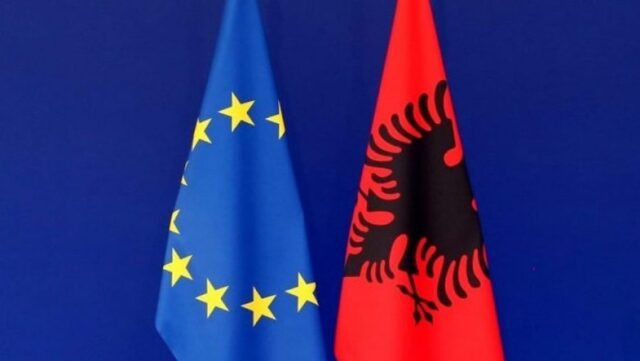
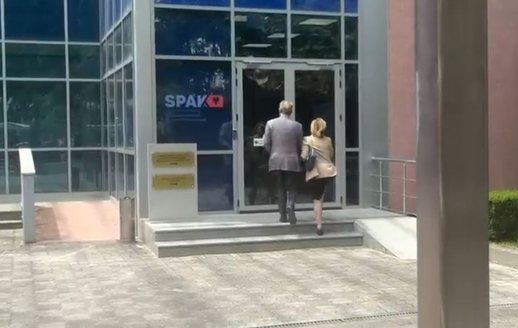
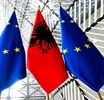
Documents obtained by journalist Osman Stafa show that the IBAR report on Albania was blocked due to strong concerns from several EU countries about the way the Albanian state is functioning, justice, the fight against corruption, and the relationship between politics and SPAK.
The first version of the report, drafted in February 2026, had milder language and spoke of Albania's "progress." But in May 2026, after negotiations among member states, the text was significantly toughened.
For the first time, the European Union directly mentions SPAK and expresses concern about "increased and worrying efforts" by politicians and officials, "including at high levels", to exert undue influence over justice institutions.
Another strong point is related to the Parliament and the immunity of senior officials. The report adds as a condition the respect of European standards for the lifting of immunity and mentions the decisions of the Venice Commission. The European Union also regrets some previous decisions of the Parliament regarding investigations against officials and MPs. This issue refers to the case of former Deputy Prime Minister Belinda Balluku, against whom Spak requested the lifting of immunity, but which the Socialists defeated by a vote, defending her.
The report also toughens the language on corruption. In the February draft, corruption was considered a “serious concern.” In the May version, it is called a “crucial concern,” one of the harsher formulations typically used by European diplomacy.
For the first time, the document also mentions "patronage networks," calling for measures against the misuse of state and public resources for political purposes.
The report also raises concerns about:
the construction and real estate sector;
the lack of transparency in state-owned enterprises;
problems with coastal properties;
expropriations without fair compensation;
rotations and integrity in the police.
The document also states that Albania must address "disorders in the real estate sector and the construction industry as a result of corruption."
The changes show that some EU countries have demanded stronger and more concrete conditions for Albania before further advancing negotiations. The May report is considered significantly more critical of the Albanian government than the initial draft from February.
Happening now...





Molotov cocktail on Saturday, shopping on Thursday!
Nga Bato Kosova
ideas

top
Alfa recipes






services
- POLICE129
- STREET POLICE126
- AMBULANCE112
- FIREFIGHTER128