


FLASH NEWS
DW analysis: Vučić's foreign policy vacillations

2026-03-28 09:06:45 / BOTA
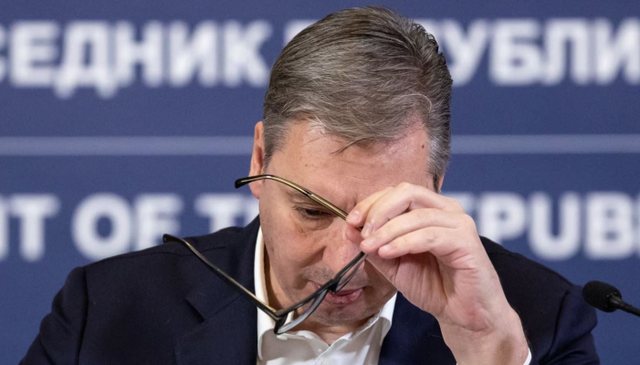
Serbian experts tell DW that the lack of strategy in Serbia's foreign policy, which is largely shaped by President Aleksandar Vučić, leads to improvisations and limited results.
Serbian foreign policy, like practically everything else, is led by one man: Aleksandar Vučić, the President of Serbia. The Serbian government is only a silent observer of diplomatic agreements and business deals with individual countries. This is also why this policy is marked by improvisations and the personal agenda of the President of Serbia.
To this should be added the fact that geopolitical events are also viewed from a human perspective and that Serbia's further moves in the field of foreign policy are adjusted on this basis. In practice, this means that Aleksandar Vučić evaluates world events based on parameters known only to him and tries to present himself to the public as a man with special solutions, who, like a kind of television prophet, predicts when and where war will break out, who is preparing for this or that move, and who will be against whom and with whom.
As an illustration of the complete lack of collective analysis, Vučić's recent warning to his associates in Serbia, during a foreign visit, not to comment on anything in the field of foreign policy until he returns, because they might say something wrong and ruin their foreign policy visions.
Vučić's megalomaniacal ambitions
If, therefore, only one man is involved in Serbia's diplomacy in the global context, it is not surprising that foreign policy commentator Boško Jakšić assesses the achievements of Serbian foreign policy as a fiasco:
"Aleksandar Vučić still adheres to the four-chair foreign policy policy, which has since become quite unstable, especially after the war in Ukraine. There is no longer room for four chairs, but Vučić, in his megalomaniacal ambition, thinks he is a major global player, which ultimately led to the fact that Serbia had no reliable allies either in the East or in the West," DW's interlocutor emphasizes.
Beshiri: Modest economic benefits
Serbia has no foreign policy strategy, Naim Leo Beshiri, director of the Institute for European Affairs, tells DW, adding "how is this not a coincidence":
“Nëse nuk keni një strategji, kjo do të thotë se nuk mbështeteni në fakte të forta, të cilat thonë se Bashkimi Evropian (BE) duhet të jetë shtylla kryesore e politikës së jashtme. Kjo pastaj i lë hapësirë Aleksandar Vuçiqit, të cilin qeveria serbe nuk e kufizon fare në këtë kuptim, për të fituar nga ndërmjetësimi i huaj vetëm atë që i sjell dobi atij personalisht dhe njerëzve përreth tij që po pasurohen jashtëzakonisht shumë. Politika e jashtme krijohet sipas korrupsionit dhe përfitimit personal, dhe jo për hir të përmirësimit të jetës së qytetarëve serbë”, thotë Beshiri për DW.
Nuk ka dyshim se qeveria ka zhvilluar një fushatë intensive të politikës së jashtme në muajt e fundit, por ajo është gjithashtu e mbuluar me mister.
Përveç Presidentit Vuçiq, në fushatë mori pjesë deri diku edhe Ministria e Punëve të Jashtme, dhe si zakonisht, përveç frazave për partneritet strategjik dhe disa sipërmarrjeve të paqarta biznesi, mbeti e paqartë nëse atje u negociua ndonjë marrëveshje e rëndësishme, apo nëse u kërkuan aleatë për të luftuar protestat në Serbi. Duket se Serbia është e gatshme të bashkëpunojë me të gjithë përveç vendeve të Bashkimit Evropian, për anëtarësimin e të cilave të paktën mbron në mënyrë deklarative.
Epilogu i gjithë kësaj janë përfitime të vogla ekonomike për Serbinë, thekson Naim Leo Beshiri, “dhe kjo më së shpeshti ka të bëjë me shitjen e armëve ose ofrimin e burimeve serbe. Nëse ndiqni propagandën e qeverisë, shihni se numri i partnerëve strategjikë që ka Serbia është thjesht i pabesueshëm. Fakti që Serbia nuk ka asnjë kapitull të rëndësishëm të hapur me BE-në tregon se askush më nuk i beson Serbisë dhe se ajo nuk shihet si një partnere e besueshme. Kur marrëdhëniet me BE-në tendosen, Vuçiqi menjëherë kërkon mbështetje në Pekin, dhe BE-ja në ato momente bën disa lëshime ndaj regjimit, gjë që nuk mendoj se është një qasje e mirë ndaj BE-së”, beson Beshiri.
Çfarë duhet të kuptojë Brukseli
Bashkimi Evropian po tregon shumë tolerancë ndaj Aleksandar Vuçiqit, thekson Jakshiq, sepse sipas fjalëve të tij, “në Serbi paraqitet si qendra e një komploti kundër Serbisë, si mbështetje për një protestë ose si një projekt i dështuar. Në këtë drejtim, Vuçiq po kthehet në rrënjët e tij radikale. Shpjegimi është i thjeshtë, ai kurrë nuk foli për vlerat e demokracisë liberale mbi të cilat bazohet BE-ja. Ai kurrë nuk ishte i interesuar për këtë dhe dikush në Bruksel duhet ta kuptojë këtë”, tërheq vëmendjen Jakshiq.
Rrugët diplomatike në fushatën aktuale të politikës së jashtme të Serbisë tregojnë se kryesisht janë vendet që nuk mund të mburren me demokraci shembullore.
Aleksandar Vuçiq i ka kushtuar kaq shumë vëmendje marrëdhënieve me Azerbajxhanin, ai fluturoi për në Emiratet e Bashkuara Arabe në mes të konfliktit me Iranin, ai e shpalli Serbinë mikun më të madh të Afrikës në Evropë, dhe tekste po shfaqen gjithashtu në Britani duke lavdëruar politikën e jashtme të mençur të Vuçiqit.
Even in Serbia, Vučić's multi-chair dance is seen by his supporters as an excellent foreign policy strategy.
Beshiri: "It is a benefit from the war"
He is looking forward to the same, comments Naim Leo Beshiri, and notes “this is why Vučić is looking for his partners in autocratic governments. He has not been seen in a country where the rule of law exists, and when he does appear, it is when he practically buys his presence through some unfavorable agreements for Serbia, like in France. Likewise, in times of war, he sells weapons to Israel or Ukraine.
"This is the strategy of someone who wants to make a profit, this is profiteering from the war, which Vučić did in the 1990s and still does today. Many will not turn a blind eye to this, and this will cost the citizens of Serbia," warns the director of the Institute for European Affairs.
Vučić's list of allies consists of autocrats, populists, nationalists and despots, notes Jakšić. Our interlocutor also says that "the conflict with Iran has put Vučić in an uncomfortable position, because a lot of energy has been invested in relations with Israel and America, which suffer from criticism and their allies.
"I think Trump cannot be influenced through Israel, because Trump likes personal contacts. Vucic talks about increasing relations with America, but he is personally responsible for the deterioration of these relations. Now he is in a position to sit on a bench and wait for someone in Brussels, Washington and to have mercy in Moscow to repair relations with Serbia that he ruined," concludes Boško Jakšić./DW
Happening now...



ideas

Saliu's horse, Ed's taggia
Nga Adrian Thano

Italy/ Investigations, laws and poisons, the eternal clash between politics and justice
Nga Giovanni Bianconi
top



Alfa recipes
TRENDING 




services
- POLICE129
- STREET POLICE126
- AMBULANCE112
- FIREFIGHTER128