


FLASH NEWS
Khamenei: We will not accept the transfer of enriched uranium outside Iran

2026-05-21 18:38:05 / BOTA
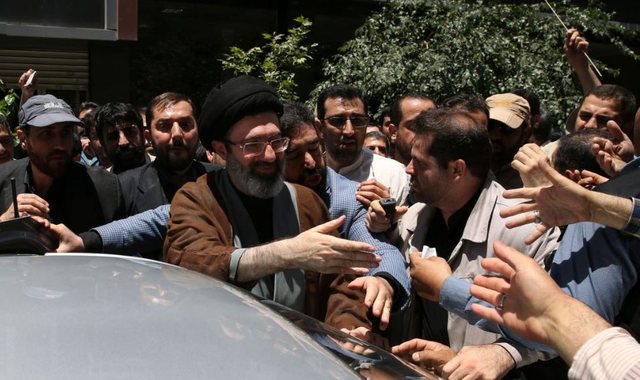
Iran's Supreme Leader Ayatollah Ali Khamenei has issued a strict directive that Iran's enriched uranium, which is close to the level needed to produce nuclear weapons, should not be transferred outside the country under any circumstances, Reuters reported, citing two senior Iranian sources, in a development expected to further complicate peace negotiations between the United States, Israel and Iran.
According to the report, Tehran's decision contradicts one of the main demands of Washington and its Western allies, which call for the removal of highly enriched uranium reserves from Iranian territory as part of any potential deal.
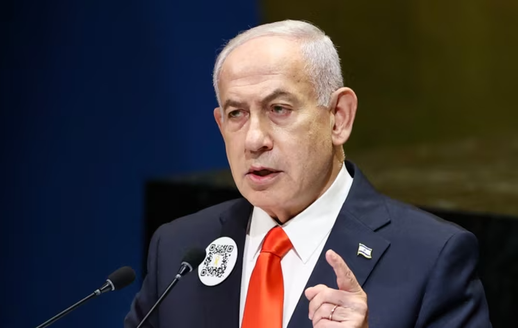
Israeli officials have said that US President Donald Trump has assured Israel that any peace deal will necessarily include the removal of Iran's enriched uranium. Meanwhile, Israeli Prime Minister Benjamin Netanyahu has warned that the war cannot be considered over without eliminating its uranium stockpiles, stopping Iranian support for armed groups and dismantling Tehran's ballistic missile capabilities.
Khamenei's directive appears to reflect a consolidated stance within the Iranian regime. Reuters sources said Iranian officials believe that transferring nuclear material abroad would make Iran more vulnerable to future attacks by the United States and Israel.
Before the outbreak of the latest conflict, Tehran had signaled a willingness to transfer about half of its stockpile of 60 percent enriched uranium abroad. However, this stance changed after Trump's repeated threats of new military strikes.
The conflict is currently in a fragile ceasefire following the February 28 clash between the US, Israel and Iran, and Iranian retaliation against Gulf countries that host US bases. Although the fighting has temporarily stopped, peace negotiations remain deadlocked.
The situation has been further complicated by the US blockade of Iranian ports and Tehran's control over the Strait of Hormuz, while Pakistan is trying to play the role of mediator.
There is a belief in Tehran that the cessation of military operations could be a tactical maneuver by Washington to create a false sense of security before new air strikes. The head of Iranian negotiators, Mohammad Baqer Qalibaf, stated that “the enemy’s overt and covert movements show that the Americans are preparing for new attacks.”
On the other hand, Trump has warned that the US is ready to resume attacks if Iran does not accept the proposed deal, leaving Tehran only a few days to give "appropriate responses."
Happening now...










Molotov cocktail on Saturday, shopping on Thursday!
Nga Bato Kosova
ideas



top



Alfa recipes








services
- POLICE129
- STREET POLICE126
- AMBULANCE112
- FIREFIGHTER128