


FLASH NEWS
Who is Russia's main ally in the Balkans?

2026-05-21 17:10:22 / BOTA
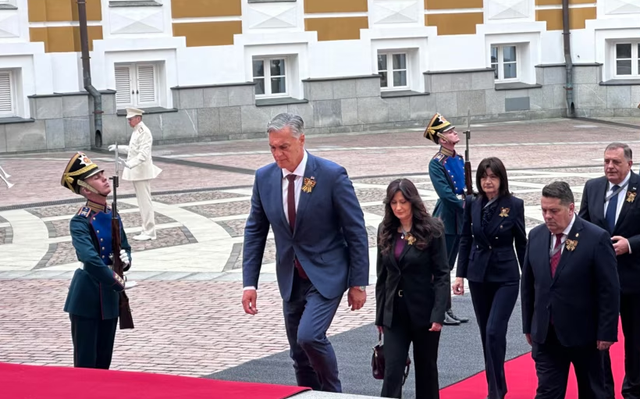
Calculating the ties of Balkan countries with Russia is in Moscow's interest, but not to its credit, says Paolla Petrić, director of the Heinrich Boll Stiftung Foundation's office in Sarajevo, to Radio Free Europe.
"The Balkans is one of its zones of influence or one of the points through which it tries to geopolitically disturb Europe and the European Union and hinder the Euro-Atlantic integration of this part of Europe. This is in Moscow's interest, while the responsibility lies with the local elites, what alliances they create and whether they lead them towards Brussels or not," explains Petrić.
The alliances that Moscow maintains after 2022 and the start of the implementation of European Union sanctions against Russia, due to the invasion of Ukraine, in the Balkans are often seen through the example of Serbia.
How much have Belgrade-Moscow relations changed?
Although Serbia is a candidate for EU membership, it has not imposed sanctions on Russia, thus jeopardizing its European integration process, which also includes the gradual harmonization of foreign policy with that of Brussels.
But, at the same time, there have also been noticeable setbacks in Belgrade-Moscow relations.
The most sensitive moment occurred about a year ago, when Russia's Foreign Intelligence Service accused Belgrade of weapons manufactured in Serbia, through third countries, ending up in the hands of Ukrainian forces.
"This allows Kiev to formally receive military industry products that are no longer Serbian, but are assembled at arms factories in Western countries. Assembly and ammunition filling are carried out mainly in the Czech Republic and Bulgaria," Moscow's statement said in June 2025.
The director of the Center for Civic Education from Podgorica, Dalliborka Ularević, estimates that Russia does not have many alternatives and that, for this reason, in relations with its partners it tolerates many things that it would not accept under other circumstances.
"Serbia relies on Russia also because of the Kosovo issue. On the other hand, Russia needs a large state through which it can exert other influences, since part of its influence in Bosnia and Herzegovina has been exerted through Serbia. Now, this is happening more independently in Republika Srpska," Ularevic tells Radio Free Europe.
Is Dodik "more successful" than Vučić?
Milorad Dodik, leader of the main Serb party in Bosnia and Herzegovina, has met nine times with Russian President Vladimir Putin since the start of the invasion of Ukraine in February 2022.
Dodik, i cili u detyrua të tërhiqej nga pozita e presidentit të entitetit Republika Sërpska pas një vendimi gjyqësor, për shkak të mosrespektimit të vendimeve të përfaqësuesit të lartë ndërkombëtar në Bosnje dhe Hercegovinë, u hoq në tetor të vitit të kaluar edhe nga lista e sanksioneve amerikane, ku gjendej që nga viti 2017.
Në këtë mënyrë, Dodik arriti një pozitë balancimi, që është strategji shumëvjeçare edhe e presidentit serb, Aleksandar Vuçiq.
“Ky balancim pragmatik që Millorad Dodik po e zbaton tani në praktikë, nuk është i qëndrueshëm në thelb. Lëvizjet që lidhen me Dodikun janë bërë me siguri në koordinim me Moskën, por afati i tyre është i kufizuar nga administrata aktuale në Uashington. Për më tepër, ka pasur tashmë edhe një krisje në komunikimin mes Dodikut dhe Vuçiqit. Nuk duhet harruar se ai, për një periudhë, është kritikuar edhe në mediat e Beogradit”, thotë Ulareviq.
“Dueti që luhet në marrëdhëniet Banja Llukë – Beograd është gjithashtu një konstante në Ballkanin Perëndimor dhe ndonjëherë, si në një marrëdhënie të vështirë dashurie, mund të ndodhë një qetësi e përkohshme”, thekson në anën tjetër Petriq.
Kush është aleati rus në BE pas Orbanit?
Me humbjen e kryeministrit hungarez, Viktor Orbanit, pas 17 vjetësh në pushtet, Rusia ka mbetur pa një aleat brenda Bashkimit Evropian.
Në shënimin e Ditës së Fitores më 9 maj në Moskë, përveç Dodikut, i pranishëm ishte edhe kryeministri sllovak, Robert Fico.
Sllovakia, përmes gazsjellësit “Druzhba”, mbetet e varur nga importi i gazit rus, ashtu si edhe Bullgaria, e cila, megjithatë, i ka ulur ndjeshëm importet që nga viti 2022, duke u mbështetur më shumë në furnizime nga Azerbajxhani përmes Greqisë dhe Turqisë.
Por, pavarësisht kësaj, kryeministri bullgar, Rumen Radev, nga pozita e qendrës së djathtë, e mbështet vazhdimin e importit nga Rusia.
Tsvetomir Nikollov, bashkëpunëtor i Qendrës për Studimin e Demokracisë në Sofje, vlerëson se rëndësia e Radevit për Moskën është rritur.
“Kur je pjesë e BE-së dhe NATO-s, je brenda dhe është shumë më e rëndësishme të kesh instrumente të tilla, në mënyrë që të mund të bllokosh qëndrime apo hapa të caktuar politikë, duke përdorur mundësinë e vetos dhe mekanizma të ngjashëm”, thotë Nikollov.
Ai shton se është pak e mundshme që Radev të luajë në të ardhmen rolin e një aleati rus në Evropë, siç ka bërë Orban.
“Regjimi i Orbanit nuk ka qenë aq efektiv sa ç’prisnin aktorët rusë, sepse Hungaria është në një pozitë ndryshe… Ajo është një lojtare e rëndësishme në botë, jo vetëm në Evropë”, shpjegon Nikollov, duke kujtuar gjithashtu se lëvizja MAGA (Ta bëjmë Amerikën sërish të madhe) në SHBA është frymëzuar pjesërisht edhe nga politika e brendshme hungareze.
Ku ndryshon populizmi në Ballkan dhe në BE?
Rritja globale e populizmit u jep forcë edhe përpjekjeve të Rusisë në politikën e jashtme.
In the Balkans, this trend is visible in Serbia, but can similarly be seen through the rise of the Alternative for Germany (AfD) party in Germany, the support enjoyed by Fico in Slovakia, or the right-wing populism of the Italian Prime Minister, Giorgia Meloni.
In Montenegro – the country considered among the most advanced in the EU accession process – it is believed that, despite ideological divisions, a kind of consensus on European orientation has been reached.
"Pro-Russian narratives have not disappeared. Today, at this moment when you say that Montenegro has advanced considerably on the path towards the EU, they have their own actors in power, they have a part of the media space, social networks and a broader identity and geopolitical narrative that often coincides with strong pro-Serbian and anti-Western sentiments," says Ularevic.
She also recalls that Montenegro has closed 13 out of a total of 33 chapters of EU accession negotiations.
Closing all chapters is a condition for membership, which means that getting stuck in the remaining 20 chapters could come at a high cost.
According to Petrić, the "failure to establish democracy" is the reason why populism in the Balkans is more dangerous than those that have developed in EU countries.
"When I say democracy, I think of the basic separation of powers that a democracy implies. We constantly get stuck on this basis, on the foundations of democracy, and we never get to build further. So that's a big difference," she says.
"When we talk about how unstable German democracy is today, we know that the foundations there are – for the moment – very strong; they may shake, but they are resistant to shocks. Whereas here, democracy is still not able to withstand shocks," Petrić concludes. /REL
Happening now...




Molotov cocktail on Saturday, shopping on Thursday!
Nga Bato Kosova
ideas



top


Alfa recipes







services
- POLICE129
- STREET POLICE126
- AMBULANCE112
- FIREFIGHTER128