


FLASH NEWS
IMF lowers country's economic growth forecast for 2026 and 2027, expects price increases

2026-04-16 08:36:36 / EKONOMI&SOCIALE
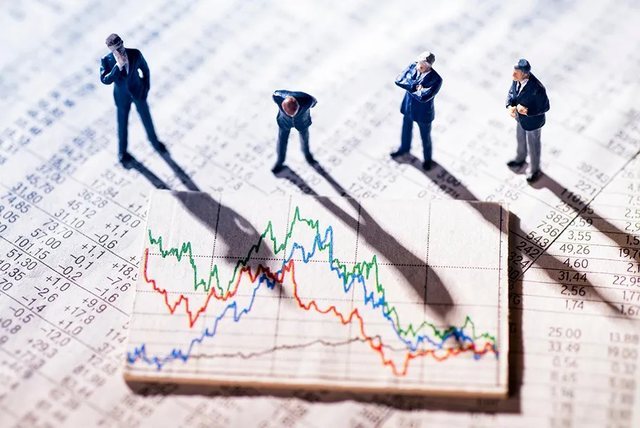
The International Monetary Fund, in its latest Global Economic Outlook report, has revised Albania's economic growth downward. The IMF expects the country's economy to grow by 3.4%, down from the 3.6% forecast in the IMF staff report on Albania in December last year.
The expectation for 2027 has also been revised down by 2 percentage points, from 3.4%, which was the initial estimate, to 3.2% in the new estimate.
At these levels, the country is expected to have the second highest growth in the region, after Kosovo with 3.6%. The biggest drop in economic expectations has been recorded in Serbia, which is expected to expand by 2.8%, from 3.6% that were estimated in October. Bosnia and Herzegovina will grow by 2.2% (-0.5 percentage points), Montenegro by 2.8% (-0.4 pp); North Macedonia by 3.2% (-0.1pp).
The downward revision comes in line with international developments and uncertainties that have increased as a result of the conflict in the Middle East, which has hit global energy markets.
In its spring report, "The Global Economy Under Test Again," the IMF assesses that the globe is facing a new blow from the war in the Middle East, which is weighing on commodity markets, inflation expectations, and financial conditions.
In the IMF's reference forecast, global economic growth is expected to be 3.1% in 2026 and 3.2% in 2027.
This means that the world economy will grow more slowly than in 2024-2025, when the pace was around 3.4%, and will also remain below the historical average of 3.7% for the period 2000-2019. Compared to the January 2026 update, the IMF has lowered its growth forecast for 2026 by 0.2 percentage points, while that for 2027 has remained unchanged.
The IMF has also revised its inflation expectations upwards. In Albania, the annual price change in 2026 is expected to be 3.7%, up from the initial estimate of 3%, exceeding the Bank of Albania's target of 3%.
In the region, price increases are expected to be higher, with the record held by Serbia (7%) and Kosovo (5.8%).
The IMF says in the report that the greatest economic burden is expected to fall on countries involved in conflict and on the most fragile economies, especially developing countries that import energy raw materials.
The IMF assesses that risks remain clearly on the downside. In addition to further geopolitical escalation, additional risks come from trade tensions, high public debt, tightening financial conditions, and the possibility of corrections in financial markets.
On the positive side, AI-related investments and structural reforms could support growth, but the main message of the report is that the global economy is entering a more uncertain period, where its performance will depend heavily on developments in the Middle East and the stability of energy markets./Monitor
Happening now...








Denouncing Berishism is a prerequisite for denouncing the government
Nga Blendi Kajsiu
ideas

The Hungarian lecture and 4 messages for the political establishment in Albania
Nga Kreshnik Spahiu

Viktor Orban dictator?
Nga Indrit Vokshi

top


Alfa recipes







services
- POLICE129
- STREET POLICE126
- AMBULANCE112
- FIREFIGHTER128