


FLASH NEWS
Albania is aging, the number of births is decreasing significantly, here are the counties with the strongest decline

2026-02-11 19:56:26 / EKONOMI&SOCIALE
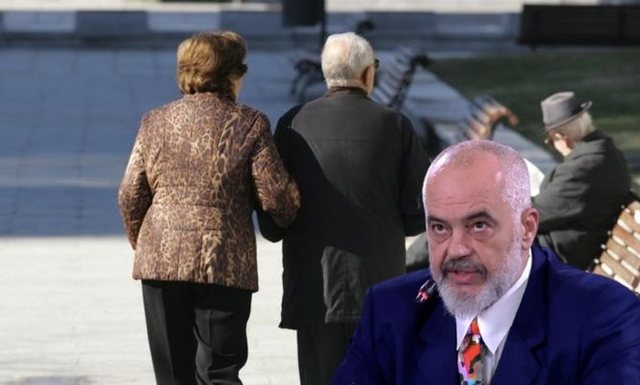
Albania is rapidly entering a new phase of demographic contraction, with 2025 confirming this phenomenon nationwide. According to official data, the total number of births dropped to 21,425 in 2025, marking a decrease of 8.1% compared to 2024.
This net loss of 1,885 babies in one year shows that the gap between 2021 (with 27,211 births) and the current year is rapidly widening. The data shows that the pressure is no longer limited to remote areas, but has touched the economic and industrial heart of the country.
Albania is experiencing one of the deepest demographic crises in its modern history. The latest figures for 2025 show a drastic drop in the number of births by about 74% compared to the early 1990s, when Albania recorded a record of 82,125 births, while 35 years later, this number has dropped to the critical level of 21,425.
The most aggressive decline has been observed in the last decade; from 32,715 births in 2015, Albania fell below the psychological threshold of 25 thousand births in 2023, to reach this year's negative record.
The main factors that have fueled this trend are the progressive aging of the population, with the average age reaching 44.3 years, and the decline in the fertility rate to only 1.21 children per woman. This change in the family model, combined with the flight of the reproductive force towards the EU, has placed the country before an existential challenge.
Dibra and Korça with the strongest decline
The hardest hit has been the Dibra region, which tops the list with the largest national decline of 20.4%, dropping from 1,095 births in 2024 to just 872 in 2025. It is followed by Korça, a region that is facing a drastic contraction of 18.5%, registering 218 fewer births than in 2024. These figures suggest a continued depletion of these regions by the reproductive age, questioning long-term social sustainability.
Pressure in large and industrial circles
Even areas that have traditionally had greater economic stability are showing signs of weakness. Fier recorded a decline of 12.7%, followed by Elbasan with 12.4% and Vlora also with 12.4%. In the Durrës region, which serves as a major economic hub, births fell by 11.7%, losing over 300 births within the year. This trend is also reflected in Lezha, where the decline is fixed at 11.2%.
Tirana and Shkodra, milder declines
Tirana, although remaining the region with the highest number of births (8,830), has not been able to maintain its growth, suffering a slight decrease of 2.0%. However, this is the lowest decrease in the country, indicating that the capital remains the only pole that still absorbs the active population. Shkodra also shows a kind of "resistance" with a decrease of 9.7%, a figure lower than the average of other regions, but still in negative territory.
Gjirokastra, Kukës and Berat also with discounts
In the south, Gjirokastra continues to record the lowest absolute figures with only 301 births per year, a decrease of 10.4%. Kukës marked a contraction of 10.0%, while Berat recorded the lowest decrease after Tirana, with 8.6% fewer births. /Monitor
Happening now...











ideas

Po Berisha, a i mban mend protestat e Bashës?
Nga Ermal Peçi

The last kilometer like the penultimate one and the question of Nastradin
Nga Namir Lapardhaja

Albania under the clutches of corruption!
Nga Taulanda Jupi
top


Alfa recipes








services
- POLICE129
- STREET POLICE126
- AMBULANCE112
- FIREFIGHTER128