


FLASH NEWS
Justice reform facing its limits: SPAK, against the executive branch and the renegotiation of the institutional balance

2026-02-17 17:54:04 / IDE
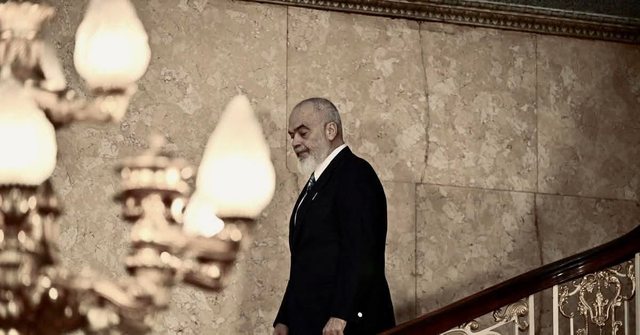
The Albanian justice reform was designed as a transformative intervention to change a reality rooted for decades: the impunity of political and economic elites. The creation of the Special Structure Against Corruption and Organized Crime (SPAK) and the Special Court (GJKKO) was not simply a procedural reform, but a reformatting of the historical relationship between justice and power, between the Political-Economic Establishment and Justice… in the terminal between the strong and society.
For the first time, the Albanian institutional system created a mechanism that had not only a legal mandate, but also strong international political support to investigate the highest levels of decision-making.
Today, the proposed legal interventions by Edi Rama's majority seem to signal the reform's entry into its most delicate phase:
the moment when politics tries to renegotiate the limits of the autonomy of justice.
Today we are in the phase where the strongmen of the Establishment are changing their approach from institutional tolerance to structural tension with Justice.
In the first phase of the reform, there was an implicit consensus: justice should be strengthened even if this created temporary tensions with political actors. The investigations against high-ranking officials produced a new reality, a justice that was no longer just symbolic, and we all know the trajectory of SPAK.
But in hybrid democracies like Albania, any reform that changes the balance of power enters a correction phase as soon as it begins to affect key actors in the system. This is precisely where Albania seems to be today.
Official Edi Rama's argument for changes to the SPAK's scope for suspending senior officials is that the legal changes aim to restore constitutional balance and avoid a situation where the judiciary directly influences the functioning of the executive through measures such as suspension from office. In theory, this is a legitimate separation of powers dilemma.
However, our analysis must look not only at the legal text, but at the practical effect. We must read not the lines read by Ulsiu, but the subtext designed by Edi Rama:
Suspension is actually an invisible instrument of the power of Politics!
In modern criminal practice, suspension from office is not a punitive measure; it is a neutralizing mechanism. This is because suspension aims to remove the structural advantage that a powerful official has over the investigative process.
A minister or senior official is not just an individual; he or she is a node in an institutional network. Continuing to exercise authority during an investigation creates an eminence grise, a space where formal and informal influence can intertwine.
Ky nuk është aspak një parashikim abuziv i imi, por lidhet me rastet konkrete që kemi parë tashmë, ku është faktuar se zyrtarë të hetuar kanë pasur mundësi të ndërveprojnë me dëshmitarë apo struktura administrative edhe gjatë fazës së hetimit.
Shembulli i Erion Veliajt pasi u arrestua, se si tentoi nga burgu të fshehë prova dhe orgabizoj mbrojtje mediatike e politike, se si familjarët e tij kontaktuan dëahmimtarët kyç të SPAK ndaj tyre ( financieren e kompanisë së Xoxës)etj treguan qartë se nëse Veliaj do të ishte i lirë pushteti i tij do godiste me gjithë fuqinë neutraëizuese hetimin.
Kemi shembullin sesi biznesmeni G.Sula para arrestit të Veliajt deklaroi në SPAK se milionat e gjetura në arkën e Xoxës ishin të tijat, dhe pasi Veliaj u arrestua ndërroi dëshmi duke thënë se nuk kish lidhje me to… se kishte qenë konfuz herën e parë.
Kemi shembullin tjetër se si një ditë pasi u morr e pandehur nga SPAK, ministrja Balluku thirri në zyrën e saj tre dëshmitarët kyç kundra saj që ishon edhe vartës të saj në ministri.
Imagjinojnë dot revanshin që do marrë Balluku nëse ligji i ri hyn në fuqi? Si do të ndikojë ajo në dëshmitë që priten të japin dhjetëra oligarkë që SPAK bëri publik dje thirrjet e tyre? Ata tashmë kanë çdo mundësi të komunikojnë me të pushtetshmen Ministre Balluku!
Por kemi dhe naivët që gjithnjë flenë mbi dafina, dhe shohin e presin me sy mbyllur dhurata nga Partnerët ndërkombëtarë.
Mbështetja ndërkombëtare për reformën shqiptare ka qenë e kyçe, por ajo gjithmonë ka pasur një dimension pragmatik: stabiliteti politik dhe funksionimi institucional mbeten prioritete strategjike.
Për këtë arsye, reagimet e jashtme shpesh janë të kujdesshme dhe të balancuara.
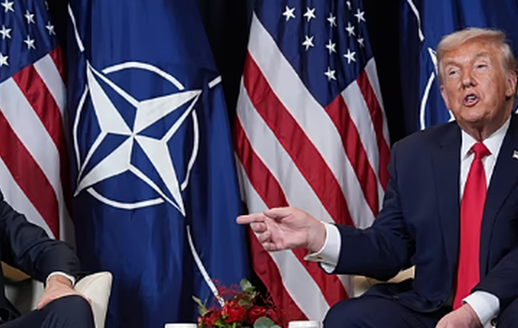
E vërteta e hidhur është se Edi Rama shkriu akujt me presidencën Amerikane, pas pak ditësh ai do shkojë në Washington për Bordin e Paqes (këtë e pohoi dhe vetë Berisha dje) dhe atje do bëj një takim formal me D.Trump.
Nga mos urimi për Zgjedhjet e 11Majit kaluam te darka me Ivanka Trump dhe pritja në Kryeministri. Nga urimi fshikullues për 28Nëntor nga Sek.Rubio, kaluam te vizita e Ramës në Washington.
Naivët dhe delirantët, idiotët e padobishëm që kanë qendruar si satelitë rreth opozitës duke menduar se “analizojnë politikën dhe Edi Ramën” këto 13 vjet, do të vazhdojnë përsëri këngën e delirit se “ Rama është i djegur nga Amerikanët dhe ska shpëtim” por kjo është këngë e dëgjuar edhe kur Rama kanabizoi vendin dhe raportet e DASH e konstantonin, edhe kur skandali i Inceneratorëve u faktua në sytë e botës, edhe kur Rama u përmendn dhjetëra herë në dosjen McGonnigal, edhe kur mendonin se “Amerikanët do i japin vulën e PD Bashës (por në fund ishte Rama që ja dha atë S.Berishës, duke anashkaluar Amerikanët).
Është një paradigm mendimi ku mendojnë se nëse Rama është gabim, dhe gabimi është i madh , ai do rrëzohet. Edi Rama rrëzohet jo me të drejtën, por edhe me të drejtën… por pasi të jesh më i fortë se ai!
Sali Berisha is light years away from being as strong as Rama, Agron Shehaj and the small parties are simply political larvae in front of him. Everyone is in the red part of the table (burnt before Rama). Lulzim Basha is the only factor in the equation that is in the gray area, because he is focusing his forces (acquaintances, network, prestige and the position he has in the Council of Europe) to lobby for SPAK in the battle with the establishment led by Rama.
But when you lose the battle inside, it is very difficult to win the battle outside.
So this clash is not legal; it is a conflict over how power is understood in a democracy in transition, it is a battle between the Establishment and Justice.
We are now in another transition, where in many transitional democracies, the subsequent phase of institutional reforms is characterized by efforts to redefine the boundaries of new independent institutions.
This process rarely occurs through dramatic upheavals; more often it is accomplished through small adjustments that gradually change the mechanics of the system.
From this perspective, the current battle can be seen as one where politics seeks to maintain its operational space while justice attempts to consolidate its acquired autonomy.
The outcome of this moment will determine whether the reform will be consolidated as a sustainable mechanism of control over power or whether it will enter a phase gradually more controlled by politics.
Happening now...




ideas

Renaissance is Disaster Capitalism
Nga Klodian Tomorri
Pse tifozeria e Kosovës ishte aq e vdekur dhe mungonin simbolet kuqezi?
Nga Kreshnik Spahiu

top



Alfa recipes

TRENDING 




services
- POLICE129
- STREET POLICE126
- AMBULANCE112
- FIREFIGHTER128