


FLASH NEWS
"Summer Day", the story of the traditional holiday

2024-03-13 14:46:30 / JETË
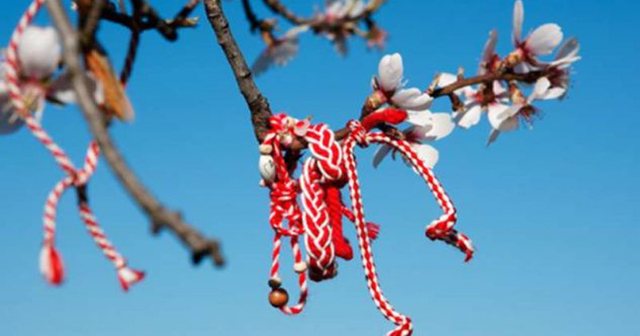
A few hours separate us from the traditional Summer Day celebration.
Summer Day is a holiday of ancient origin.
The celebrations are held in honor of the beautiful Albanian nature and the vegetation that comes to life on this date.
Now this holiday has become a national holiday.
The distinctive sign of this celebration is the cooking of balls.
While in some other places, on Summer Day, purifying fires were lit to give strength to the sun in yards and gardens.
Magical rites were performed by women against other harmful and predatory beings.
Although this day continues to be observed and celebrated magnificently in the ancient city of Elbasan, it is a holiday for all Albanians.
On March 13, people take a small bundle of wet grass with roots and soil, to have at home on the morning of March 14.
Summer's Day was the day of the beginning of the year according to the very ancient Albanian calendar, that is, a day that was celebrated many centuries before Christianity was born.
It was celebrated on March 1 of the Julian calendar, the first day of the new year (according to the Gregorian calendar, "March 14").
It was a pan-Albanian holiday, celebrated both in the North and in the South, but with different nuances, according to the provinces.
As evidence, they are bringing here two descriptions of the meaning and celebration of "Summer Day", one for the southern provinces, the other for the northern highlands.
They are descriptions published at a time when there were no political parties in Albania, even at a time when even clerical institutions did not poke their noses into so-called pagan celebrations.
With "March 14" in the morning, an unannounced competition is set to see who wakes up the fastest in the morning (according to tradition, the one who wakes up later will spend the whole year sleeping most of the time), families who wake up later usually also have a symbolic punishment, the door of your house is closed from the outside.
After waking up, the young people go out to collect flowers such as marigolds, willows, etc., which they put on the entrance gate as well as inside the house. And the girls boil the eggs, and color them with the mosaic of colors.
Faik Konica, our sentiment writer, managed to explain the spirit of Summer Day. He defined this holiday as follows:
"Summer Day is the day on which our ancestors, when Christianity was born, celebrated together with the ancient Romans and Greeks the gods of flowers, of willows. When winter melts, when summer approaches smiling, thin and long like in the painting in Boticeli, the human heart is relieved of a burden, it enjoys a calmness, a sweet happiness. In this joy, our ancestors felt a duty, to pray to the gods who brought these blessings. And that's how the lovely holiday they call Summer's Day began. ."
Ballokumja to Elbasani
Ballokumja është ëmbëlsire karakteristike vetëm në Elbasan. Ka qenë dhe është sinonim i Ditës së Verës. Ka një formule te veçante gatimi, e njohur vetëm ne këtë qytet.
Me 14 mars, Elbasani kthehet ne epiqendrën e pelegrinazhit. Festa ka një ndikim te çuditshëm tek te gjithë. Jo vetëm shtëpitë, por i gjithë qyteti vishet me dekor shumëngjyrësh, ashtu si lulet e pranverës. Ne vigjilje te festes, ndërmarrja e dekorit zbukuron rrugët dhe sheshet kryesore te qytetit. Ndërsa ndërmarrja e gjelbërimit mbjell lule dhe siperfaqe te gjelbëruara. Për çdo vit bashkia Elbasan akordon një fond te veçante për festen. Ne pikat turistike dhe ne parqe janë programuar te organizohen koncerte, lojëra popullore, pjese humori etj.
Dibër
Përvec Ditës se Verës, dibranet festojnë dhe Natën e Verës ku gjithë qyteti duket sikur e ka pushtuar djalli me zjarret e ndezur. Ku fëmijët e vegjël bëjnë parapërgatitje 1 vit përpara duke mbledhur goma qe pikërisht te ndezën Natën e Verës ! Pas kësaj vjen dhe me e bukura, ku njerëz nga me te ndryshëm bëhen te gjithë rebela për një nate duke u mbyllur dyert e shtëpive ne qytet dhe fshatrave. Te nesërmen është dita kur thyhen me mijëra veze derisa te dal veza fituese me e forta nga te gjitha! Është dita kur nena na bene (siç thonë dibranet) "ferci, ferci nona, u befsh ma i fort se thona". Është dita kur njerëzit dalin dhe festojnë fushave te bukura me lule dhe gjelbërim, jo asfalteve te mbushur me pluhur !
Nartë, Vlorë
Në fshatin Nartë çdo vit si një shenjë mirëseardhjeje të ditëve verore, organizohen karnavalet, një festë kjo që tashmë bashkon komunitetin e kësaj zone në fshatin që po braktiset. Banorët thonë se kjo festë fetare ka marrë jetë nga viti 1922.
Sipas banorëve dhe gjatë regjimit komunist ku të tilla festa u ndaluan, karnavalet në Nartë bëheshin edhe fshehurazi.
Skrapar dhe Lushnjë
"Verore" quhet peri që lidhet në kyçin e dorës dhe zgjidhet kur të shikohet dallëndyshja e parë. Veroret bëhen me pe ngjyrë të bardhë dhe të kuqe. Këto dy ngjyra simbolizojnë pastërtinë e shpirtit dhe shëndetin. Pasi zgjidhet mendohet një dëshirë dhe më pas peri hidhet në një ferrë ose trëndafil, apo vendoset në degën e një peme me shpresën që një dallëndyshe të vijë ta marrë për të ndërtuar folenë e saj dhe kështu të realizoj dëshirën e menduar. Kjo praktikohet në Skrapar dhe në Lushnje.
Në këtë ditë fëmijët në Skrapar shkojnë derë më derë duke kënduar këngën e ditës së verës, ndërsa ju jepen si dhurata vezë të ngjyrosura te cilat i thyejne nëpër koka. Gatimi tipik i Skraparit për këtë festë, përvec ballokumeve është edhe anak (lakrorë) me hithra.
Ashtu si edhe ne Tropojë dëllinjave u vihet flaka në mbrëmje, për të bërë sa më shumë tym dhe me tymin t'i jepet lamtumira të vjetrës dhe të këqijave, ndërsa fëmijët këndojnë dhe hedhin valle rreth zjarrit.
In Lushnje, together with eggs, corn and wheat are also boiled, the women of Lushnje know how much corn is boiled and they have to give it to the children who come singing and banging two stones against each other. They ask for corn or boiled eggs. Despite that, summer day in Lushnje is not always celebrated on March 14, in fact for the Orthodox it is celebrated on March 1, on the 14th the Muslims celebrate it.
Pogradec
The picturesque town celebrates this day with boiled eggs painted red. Children light fires and put "summer" on their hands. The common elements from north to south give this day a unity that shows the Albanian pagan character. The Illyrians, who are thought to be the ancestors of the Albanians, were a pagan people who worshiped and believed in many "deities". The ancient rites have reached the present day and in Albanian families it is difficult to differentiate.
Kosovo celebrates Wine Day
Wine Day is also celebrated in the province of Opojë with 19 Albanian villages, over 1000 meters above sea level, in the municipality of Sharri, as well as in other localities of Prizren, in the south of Kosovo, according to an ancient tradition, similar to Summer Day in Elbasan. Part of the celebrations are the outings of young men and women in village squares, in the meadows, picking the first flowers, dancing and singing, lighting fires and special cooking with corn and wheat flour, which are similar, but not like the balloms of Elbasani.
In these parts with developed animal husbandry, lamb and sacrificial meat are among the many blessings that are laid out on mahogany. This celebration is held with the belief that Wine Day brings luck, health, prosperity, renewal and human love, and the rites are related to the awakening of vegetation, revival and transition from winter to spring.
Berat, Summer Day combines with carnivals
The Summer Day celebration, which symbolizes the change between the seasons, that of the frosty winter and the spring of flowers, started in the morning in Berat as well.
In this pagan and traditional holiday for the city of Berat, thousands of residents of the museum city celebrated in the central square and the carnivals organized on this day. Carnivals in this city have now become a ritual.
Korce
Korca, together with Cologne, are areas that use both calendars to celebrate Summer Day. In these areas, it is celebrated on March 1 and March 14. Especially on the 14th of March in these areas, the weather is really cool and the evening before the sun sets on the day of March 14, the children and young people of Korce go out through the neighborhoods of the city and light fires.
Happening now...











ideas





Alfa recipes


TRENDING 




services
- POLICE129
- STREET POLICE126
- AMBULANCE112
- FIREFIGHTER128