


Lajme flash
Caste against the people

2026-06-24 14:01:50 / EDITORIAL
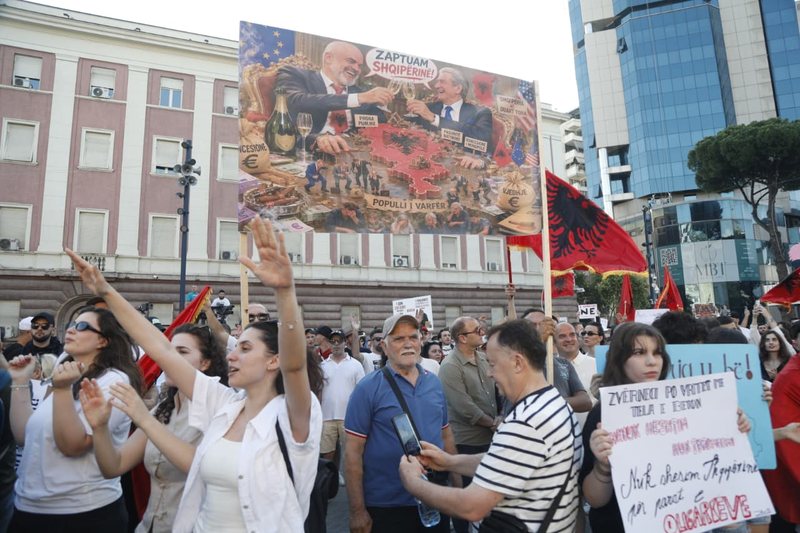
What we are witnessing in recent days through the dynamics, momentum, resistance and increasingly wider geographical spread of citizen protests should not be seen, nor can it be analyzed, simply as a momentary, spontaneous reaction or as a superficial dissatisfaction with the next administrative, fiscal or political decision.
Reducing this civic explosion to a purely technical calculation, or to a passing revolt over prices or taxes, risks being an unforgivable analytical shortsightedness on the part of anyone who claims to correctly read the socio-political developments of the country.
In fact, this movement represents something much deeper, more structural and organic: it comes as a direct consequence of a sharp social conflict, silently but constantly accumulated, throughout all these decades of a prolonged socio-economic and institutional transition.
Today, in the public space, on the streets and in everyday discourse, not only are isolated economic demands or specific interest groups being confronted, but the frontal clash between two diametrically opposed models of conceiving society, the distribution of opportunities, systemic justice and a common future is manifesting.
On one side of this broken equation stands the model of a political elite which, through specific circumstances and the particular dynamics of the transition, has managed to consolidate an extraordinary and almost absolute influence in the country's economic sphere.
This layer, over the years, has built a closed structure where decision-making power and capital advantages tend to remain concentrated within narrow family or clientelistic circles. This phenomenon has created a strong perception of a hermetic system, where capital and key positions do not circulate on a meritocratic basis, but seem to be inherited through a kind of unwritten continuity from generation to generation.
This structural rigidity has effectively blocked the paths of social advancement for talented individuals outside the system, annihilating fair competition and preventing the emergence of a stable and economically independent middle class. Although this group represents a negligible minority in relation to the general population, their decisions, policies and lifestyles dominate every aspect of national reality. This model, characterized by a high concentration of material goods and by standards of exposed luxury, often appears asymmetrically in the face of the harsh daily life and extraordinary challenges of survival faced by ordinary citizens at the base of the social pyramid.
Nga ana tjetër e këtij shtresëzimi të skajshëm social ndodhet pjesa tjetër e shoqërisë, që në fakt përfaqëson shumicën dërrmuese dhe absolute të popullsisë. Përtej premisave të sistemeve demokratike që garantojnë barazi formale përpara ligjit dhe Kushtetutës, kjo masë e madhe njerëzish shpesh ndjen se në mënyrë praktike i mungon statusi funksional dhe mundësia reale për të qenë pjesë e vendimmarrjes apo e përfitimeve të rritjes ekonomike.
Kjo shumicë ka akumuluar përgjatë viteve një ndjenjë të thellë frustrimi, duke u ndjerë e distancuar nga privilegjet strukturore dhe e zhveshur nga mundësitë elementare të zhvillimit profesional e personal. Kjo ndjesi buron nga përvoja e përditshme dhe nga perceptimi i gjerë se parimet e meritokracisë në karrierë janë zëvendësuar nga nepotizmi ose patronazhi politik. Për më tepër, tregu i punës shpesh dështon të garantojë paga dinjitoze që mbulojnë kostot gjithnjë e në rritje të jetesës, duke e lënë individin në një gjendje pasigurie të përhershme për të ardhmen.
Mekanizmat e pjesëmarrjes aktive në jetën politike, institucionale dhe ekonomike mbeten të vështirësisht të aksesueshëm për qytetarin e thjeshtë, i cili shpesh e sheh veten të reduktuar në një numër statistikor apo në një vëzhgues pasiv të fateve të veta.
Ky konflikt social, i cili po shpërthen sot me forcë përmes tubimeve dhe revoltave popullore, nuk është një ekuacion i thjeshtë që mund të zgjidhet me retorikë apo premtime sipërfaqësore në kronikat e shpejta mediatike. Ai prek direkt legjitimitetin e kontratës sociale, funksionimin e shtetit të së drejtës dhe ndarjen e thellë ekonomike brenda shoqërisë.
Ky është një rast studimor klasik në shkencat sociopolitike dhe në historinë e lëvizjeve shoqërore, që tregon se si akumulimi i perceptimeve mbi padrejtësinë sistemike, pabarazinë strukturore dhe mungesën e llogaridhënies mund të çojë në një pikë ngopjeje, ku reagimi kolektiv masiv mbetet e vetmja rrugë për të sfiduar indiferencën e elitave drejtuese.
Kur kanalet zyrtare të komunikimit dhe institucionet që duhet të garantonin ndërmjetësimin e interesave humbasin besueshmërinë, hapësira publike kthehet në të vetmen arenë ku shumica e harruar mund të artikulojë kërkesën e saj për dinjitet, përfaqësim dhe drejtësi sociale.
Therefore, the current situation remains extremely sensitive, fraught with high social tension, and the time available to react is rapidly shrinking. If the coming days do not witness a deep, institutional and structural reflection on the part of the political decision-making class—a reflection that must translate into real reforms, increased transparency and an equal distribution of opportunities—it is very likely that this revolt will not remain simply a passing episode that can be managed with delaying tactics. In the absence of a sincere dialogue and concrete measures that address the essence of inequality, this conflict has all the objective premises to undergo transformations and evolutions in other, much more complex dimensions.
It risks moving towards broader forms of institutional rejection, organized civil disobedience, and irreversible social polarization, which would seriously disrupt the country's fragile balances and mark a historic turning point in its modern journey.
Po ndodh...


Basha, Berisha and a meeting with parents in the USA!
Nga Ermal Peçi
ide

Edi Rama, kujt i ankohesh? Ti ke qenë problemi!
Nga Gjergji Nika


The SP and the DP have created an unshakable Nash equilibrium.
Nga Fitim Zekthi
top


receta Alfa


TRENDING 


shërbime
- POLICIA129
- POLICIA RRUGORE126
- URGJENCA112
- ZJARRFIKESJA128