


FLASH NEWS
From "we don't protect anyone" to a clash with justice! ISP: How Rama's stance on immunity changed. The "Balluku" case and the European standard that the Parliament should follow

2026-02-25 18:09:19 / POLITIKË
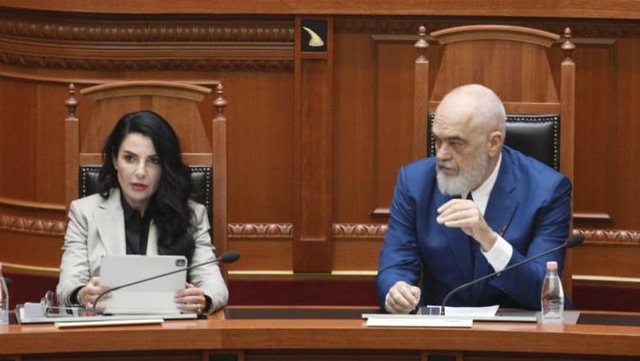
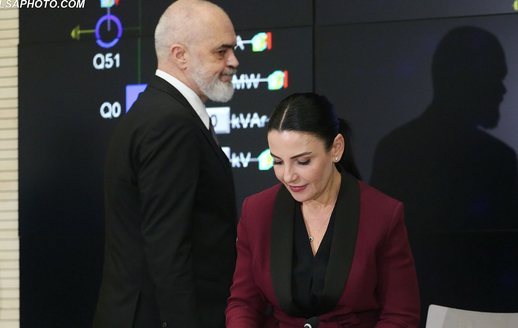
Prime Minister Edi Rama's repeated statements over the years that the majority "will not become an obstacle to the investigation of MPs and senior officials", that "we are not anyone's law firm" and that "whoever has problems with justice should face it themselves", are now back in focus in light of recent developments in the Assembly, where the immunity of Belinda Balluku, whom SPAK seeks to arrest for corruption worth millions of euros with public tenders, is under discussion.
The Institute of Political Studies has compared the publicly articulated positions of Prime Minister Edi Rama for years and it seems to have changed in 2023–2024, when Parliament faced the issue of the incompatibility of the mandate of former Minister Olta Xhaçka.
"The Xhaçka case was archived, but more than that, the parliament has entered a new phase, where the previous rhetoric about respecting the law has shifted to anti-SPAK rhetoric about refusing investigations. The most flagrant case is that of Deputy Prime Minister Balluku, a process that, after the consumption of the principled decision-making in the Constitutional Court, continued for months in parliament," writes ISP.
In the Balluku case, the majority still has not made a decision, but indirectly it has warned of the rejection of SPAK's request. "Without entering into interpretations regarding the guilt or innocence of Ms. Balluku, the main concern is related to the role and approach of parliament and political parties towards immunity and their officials accused of corruption or abuse of office," ISP emphasizes.
In 5 cases, the Assembly has voted to lift the immunity of legislators, specifically for Tom Doshi, Mark Frroku, Armando Prenga, Arben Ahmetaj, and Sali Berisha.
3 are resignations, Saimir Tahiri, Alqi Bllako and Jurgis Çyrbja.
So far, the only case of rejection by the Assembly is for Saimir Tahiri in 2017, when the Serious Crimes Prosecution requested authorization to lift immunity, but the majority considered
the accusation's request unfounded in facts and evidence. A few months later, in May 2018, Tahiri resigned from his mandate as an MP.
The Institute for Policy Studies (ISP), which is monitoring the process and institutional decision-making, recommends that the Assembly apply the standards of European Union countries, including the practices of the European Parliament, where officials under investigation face justice without political shields. According to the ISP, if an official is declared innocent, he gains public credibility; if found guilty, he faces legal consequences – while in both cases trust in democracy is strengthened.
Instituti i Studimeve Politike
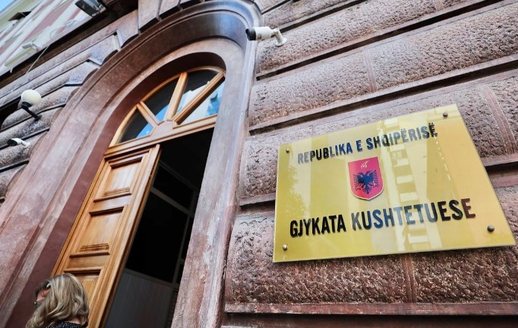
“Ne nuk do të bëhemi pengesë për hetimin e deputetëve dhe zyrtarëve të lartë të akuzuar nga drejtësia”, “ne nuk jemi zyrë avokatie të askujt”, “kush ka probleme me drejtësinë të përballet vetë me të”, “partia nuk mbron të akuzuarit”. Këto janë disa nga deklaratat ndër vite të kryeministrit Rama lidhur me raste flagrante të zyrtarëve të akuzuar nga drejtësia. Megjithatë ai ndryshoi qëndrim në 2023 dhe 2024 kur Kuvendi duhej të vendoste lidhur me papajtueshmërinë e mandatit për ish-ministren O.Xh., deputete edhe në legjislaturën aktuale. Kur Gjykata Kushtetuese i kërkoi Kuvendit zbatimin e Kushtetutës kryeministri e refuzoi, “Gjykata Kushtetuese nuk mund të urdhërojë se si votojnë deputetët, është e pamundur. Është teorikisht dhe teknikisht e pamundur. Sepse vota e çdo deputeti është sovrane”. Vendimi i tij ishte edhe vendim i shumicës parlamentare.
Çështja Xhaçka u arkivua, por më shumë se ajo, parlamenti ka hyrë në një fazë të re, ku nga retorika e mëparshme për respektimin e të drejtës është kaluar tek retorika anti SPAK për refuzimin e hetimeve. Rasti më flagrant është ai i zv/kryeministër Balluku, proces që pas konsumimit të vendimmarrjes parimore në Gjykatën Kushtetuese, vijuan prej muajsh në parlament.
Tabela ilustron rastet më të njohura të heqjes së imunitetit, – në aspektin procedural dhe politik rasti Tahiri duket se ngjan me rastin Balluku, mazhoranca e mori në mbrojtje disa muaj para se akuzat të përshkallëzoheshin dhe ai të dorëhiqej për të përfunduar i dënuar me burg.
Në rastin Balluku mazhoranca ende nuk ka një vendim, por indirekt është paralajmëruar refuzimi i kërkesës së SPAK. Pa hyrë në interpretime lidhur me fajësinë ose jo të zonjës Balluku, shqetësimi kryesor lidhet me rolin dhe qasjen e parlamentit dhe partive politike ndaj imunitetit dhe zyrtarëve të tyre të akuzuar për korrupsion ose shpërdorim të detyrës.

Nëse në një demokraci deputetët refuzojnë të hetohen, sidomos nëse refuzimin vjen nga mazhorancat qeverisëse, mesazhi që marrin qytetarët është se koncepti i barazisë para ligjit nuk vlen dhe se më të pushtetshmit janë imun ndaj hetimeve. Instituti i Studimeve Politike (ISP) është duke monitoruar ecurinë e procesit të hetimit dhe vendimmarrjet institucionale, si pjesë e angazhimit të tij për jetësimin e parimeve të dekriminalizimit dhe integritetit në politikë, për zyrtarë të pastër dhe politikë të pastër.
Nisma mbështetet nga National Endowment for Democracy (NED). Në këtë rol ISP rekomandon që Kuvendi i Shqipërisë të aplikojë standardet e vendeve të BE-së, përfshirë ato të parlamentit europian, ku çdo zyrtar nën akuzë përballet me drejtësinë, pa përfituar nga mbrojtja politike dhe imuniteti parlamentar. Nëse zyrtari i akuzuar del i fajshëm përballet me ligjin, nëse del i pafajshëm fiton kredibilitet dhe në të dy rastet demokracia bëhet më e besueshme, më funksionale.
The a priori rejection of investigation, equality before the law, and the standard of accountability constitutes a serious deviation from the concepts of the rule of law, and an act undermining faith in democracy.
Happening now...






ideas



top

Alfa recipes



TRENDING 




services
- POLICE129
- STREET POLICE126
- AMBULANCE112
- FIREFIGHTER128