


FLASH NEWS
Media Fortune Tellers

2026-02-25 17:03:56 / IDE
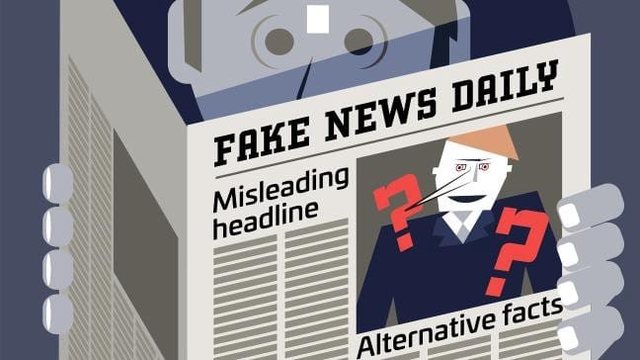
During the time of monism, fortune tellers were mainly women, not only from the Roma community, but also local ones who offered fortune telling, dream interpretation, and predictions about marriages, births, or family separations. They operated mostly in secret, because state authority perceived these practices as superstition and tried to penalize them.
Despite the vigilance of the regime of the time, fortune tellers found space to exercise the pseudo-special abilities they had, as long as there was demand in the market. What distinguished them was not the ability to predict the future, but the way they managed to shape the perception of others. Every word, prediction, regardless of whether it was an improvisation or a momentary fantasy, mattered because the public created an illusion of control over the future, a way to calm anxiety and provide security.
Today, this “profession” has moved to the screens and news portals. Criminal experts, crime reporters or political analysts often produce bombastic predictions without worrying about the sources, probability or truthfulness of what they say. Phrases like, a video will soon be made public, sensational arrests are expected within the week, a file with important names is in the hands of prosecutors, a minister will be arrested, a storm of dismissals in the ministry is expected next week, etc.
The most shocking aspect is not only that modern fortune tellers have increased, but that the media has increased interest in them. It not only reproduces their statements, but often invites them precisely for the courage they have to make unfounded predictions. These “donkeys” are not accidental, since noise, scandal and prejudice produce clicks, debate and echoes. The media has expectations from their absurdity and stupidity. Thus a vicious circle is born where the mediocrity of fortune tellers and the unfounded news feed each other, creating a cycle that seems endless.
From a psychological perspective, Sander van der Linden has studied why people fall prey to misinformation and why unfounded news spreads quickly, suggesting that our social perceptions and decision-making are strongly influenced by the way information is presented, often without any in-depth verification, and this fuels the demand for unfounded news.
In this climate, publishing unfounded news becomes a tacit agreement between the media and the “soothsayers.” The media provides the platform and the resonance, while they supply the bombastic material that generates traffic, clicks, and discussions often without any attempt to verify the veracity of the claims. The latter has almost become addicted to this type of “news” instead of seeking facts and evidence, seeking emotion, hypothetical outbursts, and a false sense of security, even when there is no real basis.
The public, on the other hand, is excited by absurdity, scandal, and data that it wants to believe, even when it is untrue. In this way, each of its reactions does not simply feed the news, but gives life to the self-feeding cycle of mediocrity. Thus, a closed cycle is created where modern fortune tellers say nonsense, the media creates space and further amplifies it, while the public clicks, distributes, and feeds this absurdity, turning the prediction of the future into a collective drug.
Ultimately, this absurd cycle is not only funny, it is a warning to our society. If unfounded news is allowed and rewarded just because it makes a fuss, then not only is the media degraded, but the ability to distinguish between what is real and what is just fuss or a manufactured reality is lost. However, when unfounded fuss triumphs over truth, we no longer see the world for what it is, but for what the media and pseudo-experts allow us to believe.
Happening now...













ideas



top



Alfa recipes



TRENDING 




services
- POLICE129
- STREET POLICE126
- AMBULANCE112
- FIREFIGHTER128