


FLASH NEWS
Why North Korea's latest propaganda song became a hit on TikTok

2024-05-04 08:51:29 / BOTA
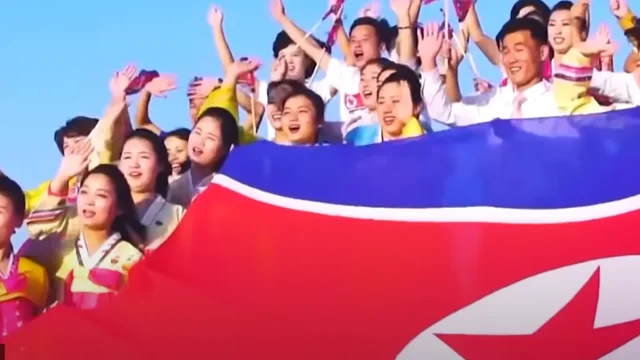
When North Korean dictator Kim Jong Un released his latest song two weeks ago, he probably couldn't have predicted it would become a hit on TikTok. But the propaganda tune has gone viral online with Gen Z users dancing to the synth-electro pop music. Most are apparently oblivious to Korean lyrics praising a man who has vowed to "totally destroy the US" and launch dozens of ballistic missiles. "Let's sing Kim Jong Un, the great leader/ Let's brag about Kim Jong Un, our friendly father," the song reads. It's just a really great tune, say TikTokkers. "This song needs a Grammy," "It's so dystopian in the most catchy way," are just some of the enthusiastic comments under TikTok videos. But the sunny show hides something more sinister, experts say.
Friendly Father is just the latest in a line of pop propaganda songs produced by the communist state over the past 50 years. It's energetic, upbeat and dangerously catchy not unlike Western pop hits.
But it has a certain Soviet-era undertone; Gen Z users describe it as "coded by Abba", a reference to the Swedish superband. "In this case, Abba wrote the song," says Peter Moody, a North Korea analyst at Korea University.
“It's upbeat, couldn't be more catchy, and a rich set of orchestral sound sequences couldn't be more prominent,” he says. There's no room for abstract phrases or time that's overly complicated, says Alexandra Leonzini, a Cambridge University scholar who researches North Korean music. Melodies should be simple, accessible, something people can easily catch on to.
Melodies should also be pronounced in a vocal range that can be sung by most people. The masses cannot continue with vocal gymnastics. Ms. Leonzini says the songbook also rarely contains any songs with real emotion.
"The idea is that they want to motivate, to strive towards a common goal for the good of the nation... they don't tend to produce songs like ballads," she says.
In North Korea there is zero tolerance for creative or artistic freedom. It is illegal for musicians, painters and writers to produce works simply for the sake of art. "All artistic production in North Korea should serve the class education of the citizens and more specifically educate them as to why they should feel a sense of gratitude, a sense of loyalty to the party," says Ms. Leonzini.
The North Korean government believes in the "seed theory," she adds, where every single work must contain an ideological seed, a message that is then disseminated en masse through art. Music is one of its most powerful tools – and Pyongyang saves its pop songs for those at home. The state has paraded its opera troupes and symphony orchestras on overseas missions, but its lighter ensembles are held only for a domestic audience. North Koreans wake up every morning to propaganda songs blaring in town and village squares, defectors say.
The lyrics of the last songs are printed in newspapers and magazines; usually they also have to learn dances to follow, says Keith Howard, an emeritus professor of musicology at the London School of Oriental and African Studies, who first visited North Korea in the 1990s. the song has entered the body, it has become part of the person,” he says.
-

-
Horoscope for today, May 4, 2024
May 4, 08:13
Happening now...

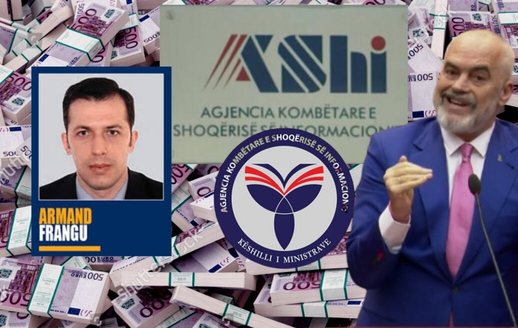


83 mandates are not immunity for Rama's friends
Nga Gentian Gaba
ideas

top


Alfa recipes

TRENDING 



services
- POLICE129
- STREET POLICE126
- AMBULANCE112
- FIREFIGHTER128