


FLASH NEWS
Why did the US and Israel attack Iran and how long could the war last? A detailed explainer

2026-03-03 21:34:40 / BOTA
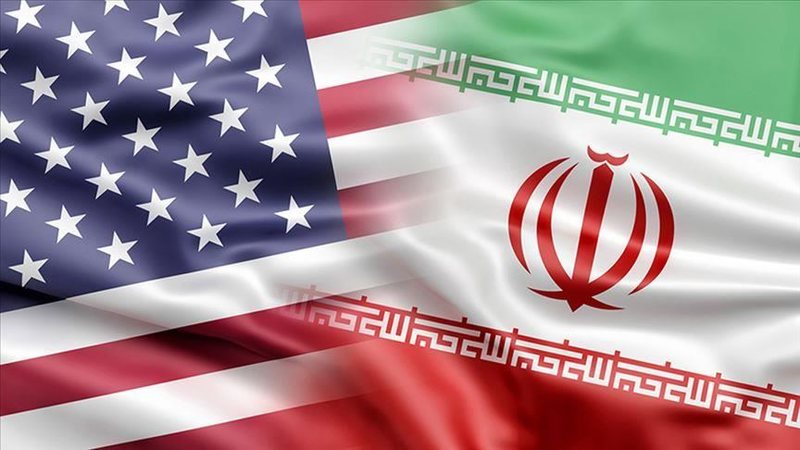
Why did the US and Israel attack Iran? How long could the war last? How has Iran responded and what is happening in Lebanon, Cyprus and beyond? How is the war affecting the economy and energy? All the answers to the conflict
The conflict has spread across the Middle East following US and Israeli attacks on Iran, during which the country's supreme leader was killed.
Iran has responded by launching attacks on US allies in the Persian Gulf, expanding them to non-military targets, including civilian areas and energy infrastructure.
Fighting has escalated rapidly, most recently involving Cyprus and Lebanon, and there are no signs that tensions are easing.
The US and Israel launched widespread attacks on February 28, hitting Iran's missile infrastructure, military facilities and the country's leadership.
Iran's supreme leader, Ayatollah Ali Khamenei, who had led the country since 1989, was killed during the first wave of attacks.
The Israeli military said dozens of other senior Islamic Revolutionary Guard Corps (IRGC) figures were also killed, including the commander-in-chief and the secretary of the defense council.
According to the Iranian Red Crescent, the death toll since the attacks began has reached 787. Meanwhile, the US-based organization HRANA (Human Rights Activists in Iran) reports 742 civilians killed, including 176 children.
US and Israeli attacks have continued after the weekend, including strikes on the capital Tehran and against Iran's naval capabilities.
Iran accused the US and Israel of a deadly attack on a school near an IRGC base in the south of the country. The US said it was verifying the reports, while Israel said it was “not aware” of any military operations in the area.
Tehran has also accused the US and Israel of striking nine hospitals in Iran. Israel said it had received reports of damage to a hospital in Tehran after an attack on nearby military infrastructure, but that the hospital was not a direct target.
Meanwhile, internet connectivity in Iran has been almost completely restricted and airspace has been closed.
The US and Israel described the strikes as “preemptive.” The US said it was aware that Israel would attack and acted before Iran could retaliate against US bases in the region, while Israel said it attacked “to eliminate threats.”
But there are also deeper reasons.
Israel and the US, its closest ally, have been Iran's declared enemies since the 1979 Islamic Revolution. The Iranian leadership has repeatedly called for the elimination of Israel and has described the US as its main enemy.
Të dy vendet kanë udhëhequr kundërshtimin perëndimor ndaj programit bërthamor të Iranit, duke pretenduar se Teherani synon të zhvillojë armë bërthamore, një akuzë që Irani e ka mohuar me forcë.
Në qershor 2025, ata goditën objekte bërthamore dhe ushtarake iraniane në një luftë që zgjati 12 ditë.
Që atëherë, SHBA dhe Izraeli kanë pretenduar se Irani ka tentuar të rindërtojë programin e tij bërthamor dhe të zhvillojë raketa të afta për të transportuar armë bërthamore.
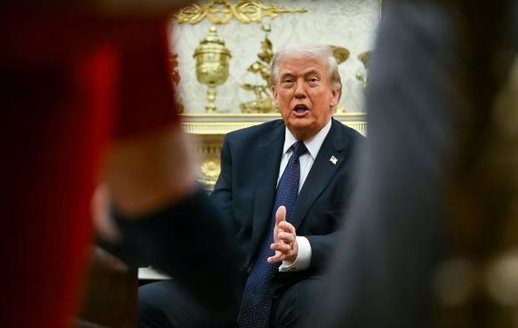
Presidenti Donald Trump tha se këto raketa mund të arrijnë përfundimisht territorin amerikan, megjithëse kjo nuk është mbështetur nga vlerësimet e inteligjencës amerikane.
Nga ana e tij, Izraeli e konsideron Iranin një kërcënim ekzistencial dhe kërkon eliminimin e plotë të programit bërthamor dhe raketor iranian, si dhe ndryshim regjimi. SHBA përmendi hapur në janar mundësinë e një sulmi ndaj Iranit, pasi forcat iraniane shtypën me dhunë protestat.
Megjithatë, SHBA dhe Irani nisën negociata dhe dukej se po bënin përparim, derisa Trumpi deklaroi se “nuk ishte i kënaqur” me ecurinë e bisedimeve. Pak orë më pas nisën sulmet.
Irani i ka cilësuar sulmet si “të paprovokuara, të paligjshme dhe të palegjitimuara” dhe ka ndërmarrë sulme të gjera me raketa dhe dronë. Garda Republikane tha se kishte goditur objekte qeveritare dhe ushtarake izraelite në Tel Aviv dhe gjetkë.
Sulme janë raportuar edhe në vende që strehojnë baza amerikane, Katar, Bahrein, Jordani, Emiratet e Bashkuara Arabe dhe Kuvajt, si dhe në Oman dhe Arabinë Saudite.
Irani është akuzuar për zgjerimin e sulmeve ndaj objektivave të tjera, përfshirë anije në Gjirin Persik, zona civile si hotele në Dubai dhe ambasadën amerikane në Riad.
SHBA dhe aleatët arabë dënuan sulmet, duke i cilësuar si “sjellje të papërgjegjshme dhe destabilizuese”. Një bazë ushtarake britanike në Qipro u godit nga një dron, sipas Ministrisë britanike të Mbrojtjes, ndërsa presidenti i Qipros fajësoi Iranin.
Veçmas, tre avionë amerikanë u rrëzuan mbi Kuvajt në një incident të dyshuar “zjarr miqësor”. Pilotët mbijetuan.
Sipas Komandës Qendrore Amerikane (Centcom), gjashtë ushtarë amerikanë janë vrarë dhe 18 janë plagosur. Departamenti amerikan i Shtetit u ka kërkuar qytetarëve amerikanë të largohen menjëherë nga një sërë vendesh në rajon.
Një front i ri është hapur në Liban. Bejruti dhe zona të Libanit jugor janë goditur nga sulme izraelite, si përgjigje ndaj raketave që, sipas Izraelit, janë lëshuar nga Hezbollahu.
Hezbollahu, aleat i Iranit, ka deklaruar se synon të hakmerret për vrasjen e Khameneit. Ministri izraelit i Mbrojtjes tha se trupat tokësore do të “përparojnë dhe do të marrin nën kontroll zona të tjera strategjike në Liban”. Sipas OKB-së, mbi 30,000 persona janë detyruar të largohen nga shtëpitë e tyre.
Paqëndrueshmëria në Lindjen e Mesme ka filluar të ndikojë ,bo në ekonominë globale.
Tehran has been accused of attacks on ships in the Persian Gulf, leading to the closure of the Strait of Hormuz, a key route that accounts for about 20% of global oil and gas supplies.
There have also been reports of attacks on major oil and gas hubs in Oman and the United Arab Emirates. Some of the world's largest producers have suspended production, including Qatar and Saudi Arabia.
Oil and gas prices have risen sharply, with Brent crude reaching $85 per barrel – the highest level since July 2024.
Iran has announced that it will soon appoint a new supreme leader. An interim ruling council has been formed, consisting of President Masoud Pezeshkian, Judiciary Chief Gholamhossein Mohseni Ejei and senior cleric Alireza Arafi.
The formal election is made by 88 clerics known as the Assembly of Experts. According to the constitution, they must choose a new leader as soon as possible, but that could be difficult in wartime. The IRGC has already appointed a new commander-in-chief, Ahmad Vahidi.
Is it safe to travel and how long might the war last?
US President Donald Trump said the strikes were expected to last "four to five weeks", but added that the US had the capacity to continue longer. Israeli Prime Minister Benjamin Netanyahu said the campaign would continue "for as long as necessary".
The war has caused one of the most serious disruptions to global travel since the Covid-19 pandemic, with widespread airspace closures and thousands of flights cancelled. Some flights from Dubai have resumed, but many others remain cancelled. British and other authorities advise citizens to regularly check official announcements before any travel to the region. / Source BBC – Bota.al
Happening now...







Germany, the "curse" of Rama and Berisha
Nga Bato Kosova
ideas

The opposition must and will be bigger than an individual.
Nga Taulanda Jupi

Violent protests as group therapy
Nga Roland Lami

Those who mocked and attacked Basha
Nga Ermal Peçi
top

Alfa recipes



TRENDING 




services
- POLICE129
- STREET POLICE126
- AMBULANCE112
- FIREFIGHTER128