


FLASH NEWS
The history of Ramadan/ Why do Muslims fast and can people who believe in other religions also keep it?

2024-03-11 14:21:02 / JETË
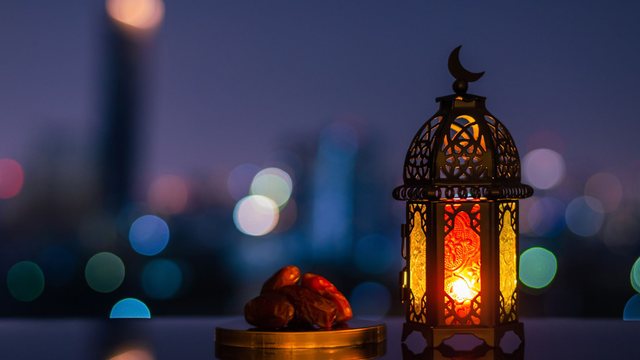
The history of the holy month, why people observe it and what it is all about.
During Ramadan, the holiest month in the Islamic calendar, people fast and make sacrifices from dawn to dusk every day.
Every year, followers of the Muslim faith gather in worship to observe the holiday, which usually lasts 29 to 30 days.
The holy month is marked around the world with communal prayers, self-reflection and charity.
When is Ramadan?
Ramadan falls on different dates each year and is the ninth month in the Islamic calendar.
Calculations in the Islamic calendar are based on the lunar cycle, and the month of fasting begins with the sighting of the crescent moon.
The Gregorian calendar, which is followed by most of the world, uses a solar dating system.
Some prefer to follow moon sighting from Saudi Arabia, while others prefer local sightings.
Ramadan dates may vary, but this year, the day of fasting began on March 11 and will end on April 9.
Why do Muslims fast during Ramadan?
There are five pillars of faith in Islam - practices that Muslims are advised to follow. Fasting in the month of Ramadan is one of these five obligations.
The other four pillars are Shahadat (the pressure of faith), Namaz (prayer), Zakat (charity) and Hajj to Mecca.
What does fasting involve?
During Ramadan, Muslims abstain from eating and drinking.
Food is eaten before dawn (Sufyri) to fuel the body for the fast, and a meal is eaten after sunset (Iftar) to break it.
Fasting is obligatory only for people in full health - there are exceptions for:
• Illness
• Pregnancy
• Menstruation
• Travelers
• Small children
The story of Ramadan
Muslims believe that Ramadan is the month when the Quran was revealed to the Prophet Muhammad.
In 610 AD, it is believed that the Prophet Muhammad was meditating in a cave when the angel Jibril (Gabriel) approached him.
The angel revealed the first words of the Qur'an to the prophet Muhammad and told him that they were a direct command from God.
This night is known as Nata e Qadar (Night of Power) and is remembered by Muslims through acts of worship throughout the night. It falls on the last ten days of Ramadan.
Then comes Eid.
Eid celebrations last for three days, during which people gather to celebrate the end of Ramadan.
It is common to celebrate with food, prayer, and people often wear new clothes.
Do other religions also fast?
In Judaism, there are six days of fasting, one of which is called Yom Kippur, the Day of Atonement. Many Jews choose to fast for 25 hours to commemorate this day.
Buddhism also has a strong connection to fasting. Followers of the religion usually fast when a full moon is sighted and on other important holidays.
Catholics often fast on Ash Wednesday and Good Friday.
Hindus usually fast during festivals such as Shivarati, Sarasaati and Puja./ Alfapress.al
Happening now...













ideas

When cardboard and arrogance become law.
Nga Gjergji Nika

Renaissance is Disaster Capitalism
Nga Klodian Tomorri

Pse tifozeria e Kosovës ishte aq e vdekur dhe mungonin simbolet kuqezi?
Nga Kreshnik Spahiu
top


Alfa recipes



TRENDING 




services
- POLICE129
- STREET POLICE126
- AMBULANCE112
- FIREFIGHTER128