


Lajme flash
The 27-year era of free water in the north is coming to an end

2026-06-16 17:14:04 / KOSOVA
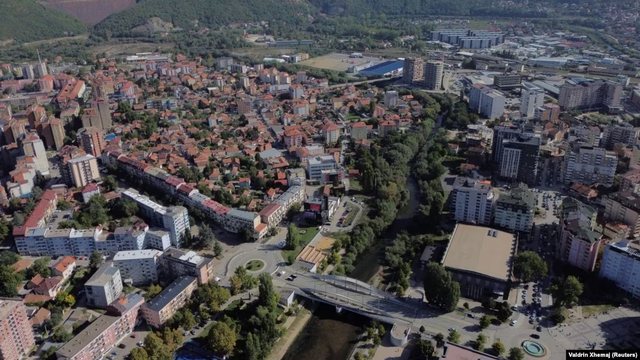
For nearly three decades, water in the four Serb-majority municipalities in northern Kosovo has been consumed without being billed. Now, this long-standing practice is coming to an end.
Residents of North Mitrovica, Zvecan, Zubin Potok and Leposavic are expected to enter the regular payment system for the first time this year.
This will mark a significant turning point for a service that for years has operated outside the usual payment rules, creating around 20 million euros in uncollected liabilities, according to the Regional Water Company (RWC) “Mitrovica”.
But what will happen to the debt accumulated over the years?!
Twenty-seven years without a bill
Since the end of the war in 1999, residents of the four municipalities have been supplied with water by the Regional Water Company (RWC) “Mitrovica”, but without any billing mechanism.
According to company data, provided by Radio Free Europe, from 2016 to 2025 alone, the value of water consumed has reached an average of around 900 thousand euros per year, while in some periods it has even exceeded 1 million euros.
The explanation for this situation is not related to a single factor.
After the war, northern Kosovo – inhabited mainly by the Serbian community – functioned for years with parallel structures and stronger ties to Serbian institutions than to those of Kosovo.
Although the supply was carried out by the RWC "Mitrovica", the lack of effective control on the ground and complete institutional dysfunction have meant that a regular billing and collection system has never been established .
Instead of being paid by citizens, the cost is covered by the state budget through subsidies.
At the beginning of last year, the RWC "Mitrovica" signed an agreement with the then mayors of the four northern municipalities to begin the water billing and collection process.
According to the Water Services Regulatory Authority (WSRA), billing was initially planned to begin in the first three months of this year.
However, the RWC "Mitrovica" itself confirms that the process has been postponed and is expected to begin at the end of 2026.
The main reason is related to the lack of recruited staff and the organization of field service.
"The company has opened competitions where 500 people have applied. 44 Serbian citizens have been hired, who are already in the process of integration into the technical, commercial and financial system," the company's response to Radio Free Europe states.
After this phase, it is announced that customer registration, information campaigns, and installation of water meters will also begin.
The WRA has already determined the tariffs that will also apply to the north: 0.53 euros per cubic meter for household consumers and 0.69 euros for commercial and institutional ones, excluding VAT.
Sipas rregullatorit, këto tarifa janë të njëjta për gjithë zonën e shërbimit të KRU “Mitrovica”, e cila përfshin Mitrovicën e Jugut, Skenderajn, Vushtrrinë dhe katër komunat veriore.
Të gatshëm për të paguar, por kërkojnë transparencë
Në terren, reagimet e qytetarëve janë të ndryshme, por jo refuzuese.
Disa banorë të Mitrovicës së Veriut, të anketuar nga Radio Evropa e Lirë, thonë se janë të gatshëm të paguajnë faturat, por kërkojnë qartësi dhe informim paraprak.
“Është normale të paguash. Në çdo vend normal faturat duhet të paguhen”, thotë Andrija Todoroviq.
Ai shton se është i vetëdijshëm që faturat do t’i lëshojë Kosova, duke kujtuar se edhe energjinë elektrike e paguan përmes kompanisë serbe Elektrosever, e cila ka licencë për operim në Kosovë.
“Ne kemi edhe letërnjoftime të Kosovës, prandaj është normale të paguajmë edhe faturat”, shton Todoroviq.
Bashkëvendasja e tij, Ollga Nikolliq, thotë se ka ardhur koha që kjo të ndryshojë.
“Është koha të fillojmë të paguajmë”, thotë ajo.
Dragani, në anën tjetër, nuk është kundër pagesës së faturave, por thotë se askush nuk i ka informuar për kushtet sipas të cilave do të llogaritet uji i shpenzuar, as se cila kompani do të jetë përgjegjëse për këtë.
“Asgjë nuk është transparente. Ne nuk jemi kundër pagesës, por dikush duhet të na informojë se kujt duhet t’i paguajmë”, thotë ai.
Hap drejt barazisë dhe shërbimeve më cilësore
Ekspertët e sektorit të ujërave e shohin faturimin si një hap të domosdoshëm drejt normalizimit të sistemit.
Afrim Lajçi thotë se kjo pjesë e vendit ka funksionuar jashtë rregullave të sistemit të Kosovës për një kohë të gjatë.
Sipas tij, përfshirja në sistemin e faturimit sjell barazi dhe përmirësim të shërbimeve.
“Përfitimet do të jenë të dyanshme, pasi faturimi pritet të sjellë shërbime më cilësore për qytetarët, por edhe t’i vendosë ata në një pozitë të barabartë me pjesën tjetër të vendit. Në këtë mënyrë, ata nuk do të trajtohen më ndryshe në aspektin e shërbimeve publike, por njësoj si qytetarët e Mitrovicës së Jugut dhe të gjithë Kosovës”, thotë Lajçi për Radion Evropa e Lirë.
Skender Bublaku vlerëson se të hyrat e reja do ta forcojnë financiarisht Kompaninë Rajonale të Ujësjellësit “Mitrovica”, duke mundësuar investime në infrastrukturë, zgjerim të shërbimeve dhe përmirësim të furnizimit me ujë në zonat që ende kanë qasje të kufizuar.
Kostoja që u mbulua nga shteti
Për gati tri dekada, uji i konsumuar në veri nuk është paguar nga qytetarët, por, deri në një masë, është mbuluar nga buxheti i shtetit.
Sipas të dhënave të KRU “Mitrovica”, nga viti 2016 deri më 2025, Qeveria e Kosovës ka subvencionuar me rreth 5.2 milionë euro për këtë shërbim.
Analisti i politikave në Institutin për Studime të Avancuara – GAP, Bekim Salihu, thotë se subvencionimi i ujit mund të jetë parë si masë për të garantuar furnizimin dhe stabilitetin, por, sipas tij, ky model nuk është dashur të vazhdojë për kohë kaq të gjatë, sepse ka krijuar standard të dyfishtë.
"The message to regular payers has been demotivating and has damaged the payment culture," he tells Radio Free Europe.
The Ombudsman's Institution announces that, so far, it has not received any complaints on this issue, but it also considers it sensitive from the aspect of equality and discrimination.
In a written statement to Radio Free Europe, he briefly says that, if relevant information is provided or complaints are filed that require treatment, he will act in accordance with his mandate.
What happens to the 20 million debt?
One of the most unclear points remains the treatment of debt accumulated over the years.
RWC "Mitrovica" says that billing will start from zero, while the old debt of about 20 million euros "will be decided in the future."
Experts warn that the lack of transparency could create a perception of a silent amnesty.
"... therefore, the government should publish the real figures and find a transitional, moderate and workable scheme for dealing with the debt," says Salihu.
The Kosovo government did not respond to Radio Free Europe's question about whether it will also be required to repay the accumulated debt.
The parallel with the current: A known precedent
The case of water is similar to that of electricity in the north, which has not been paid for years and has been covered by other institutions and citizens of Kosovo.
The situation changed only in 2024, when supply and billing were transferred to the Serbian company Elektrosever, licensed in Kosovo, after several agreements reached between Kosovo and Serbia within the framework of the dialogue for the normalization of relations. /REL
Po ndodh...


Rama's government no longer has enough Berisha!
Nga Indrit Gjyzeli
ide





TRENDING 



shërbime
- POLICIA129
- POLICIA RRUGORE126
- URGJENCA112
- ZJARRFIKESJA128