


FLASH NEWS
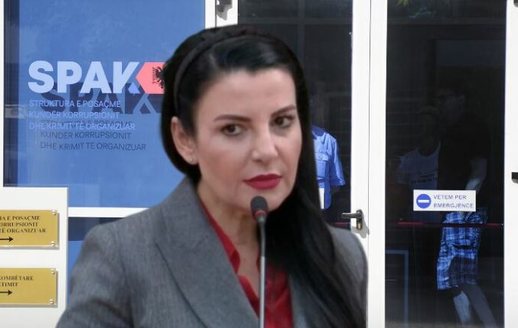
Elisa Spiropali's criticism of the ruling socialists: A turning point in Albania?

2026-05-01 12:42:18 / POLITIKË
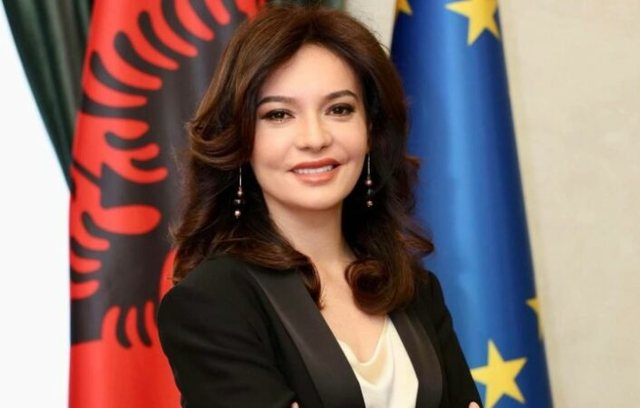
Elisa Spiropali has long been a dedicated and vocal supporter of the ruling Socialist Party – particularly its leader, Prime Minister Edi Rama, whom she once compared to Albania's national hero, Skanderbeg.
“We want the Albania that this man here, Skanderbeg, dreamed of. There is only one man who can make this happen, and that is Edi Rama,” she said at a rally in 2019, referring to Rama. For years, this sentence has accompanied her, almost becoming part of her political identity.
While the Socialist Party won election after election since 2013, its position remained unshaken – until March of this year, when the party prepared to vote to lift the immunity of former Deputy Prime Minister and Minister of Infrastructure, Belinda Balluku, who is accused by prosecutors of interfering in public procurement.
The case dragged on for months, as SPAK asked parliament to lift her immunity to allow her arrest, while the Socialist Party refused to do so – a decision that drew much criticism.
According to reports, the day before the parliamentary vote on Balluk's immunity, Rama gathered all MPs and ordered them to vote against the prosecution's request.
However, the next day, Spiropali did not participate in the vote. A few days earlier, on February 26, she had been dismissed from her post as Foreign Minister, without a clear reason.
These clashes were widely interpreted as evidence of a possible conflict within the party. But, given that the party is usually secretive about its internal affairs, no one expected Spiropali, known as a close ally of Rama, to speak out publicly.
However, on April 17, Spiropali made a lengthy post on Facebook, expressing harsh criticism of Rama's governance model. "They are advising me to keep quiet," she wrote.
But, he continued: "There comes a time when, at some point, institutions begin to function as extensions of the will of a few people. Some ministries and state agencies no longer respond to law and duty, but to order."
"They don't respond to procedure, but to the clan. And at this point, every business, every media, every individual understands that they are no longer facing a state, but facing a heartless machine that can be used against them," she continued.
Ten days later, at a party meeting, Rama reportedly threatened her with expulsion from the party for not participating in the vote on Balluk's immunity – and for posting it on Facebook.
"Either you are with us or against us," Rama reportedly warned.
Spiropali responded with another post on Facebook.
"Exclude me," she wrote.
“Nëse qëndrimi im për mënyrën si po funksionon partia, qeveria, shteti, konsiderohet arsye për përjashtim, atëherë po e them qetë dhe qartë: Më përjashto,” shkroi ajo.
“Nëse në një forcë politike që ka lindur si projekt emancipimi kombëtar, kritika trajtohet si devijim, atëherë problemi është më i thellë se çdo debat. Është krizë kulture politike,” shtoi ajo.
Shumë shqiptarë, përfshirë edhe mbështetës të Partisë Demokratike në opozitë, e mirëpritën kritikën e saj.
Të tjerë shprehin kujdes, duke pritur të shohin nëse kjo kritikë do të materializohet në diçka më shumë, do të intensifikohet apo do të shuhet.
Disa vënë në pikëpyetje kohën e kësaj kritike, duke qenë se ajo po kritikon një model qeverisjeje në të cilin vetë ka kontribuar për më shumë se 10 vjet, për të ndryshuar qëndrim vetëm kur u prek personalisht prej tij.
Megjithatë, një gjë është e qartë: ky konflikt ka nxjerrë në pah mungesën e demokracisë brenda partisë dhe kulturën e heshtjes, ku kritika nuk tolerohet dhe konsiderohet një gabim i rëndë.
Çfarë vjen më pas? Koha do ta tregojë
Fjorela Beleshi, gazetare politike në Tiranë që ka mbuluar qeverinë për më shumë se disa vite, tha se “për herë të parë pas kaq shumë vitesh në Partinë Socialiste ka një situatë konkrete; akuzat që deri tani janë bërë nga opozita po artikulohen publikisht nga një deputete brenda grupit parlamentar të së majtës.
“Deputetja socialiste Elisa Spiropali po kritikon drejtpërdrejt liderin e partisë, Edi Rama, për modelin censurues ndaj mendimit kritik brenda shumicës në pushtet,” tha Beleshi për BIRN.
Megjithatë, Beleshi vuri në pikëpyetje kohën e kësaj kritike dhe faktin që Spiropali po përdor platformat online për ta bërë atë, jo mediat tradicionale.
“Ajo nuk po angazhohet drejtpërdrejt me mediat, nuk po jep intervista për të kritikuar shefin e saj,” vuri në dukje ajo.
Pyetja është nëse deputetë të tjerë socialistë do t’i bashkohen kritikës, pasi në rastin e Spiropalit, Rama ka dërguar një mesazh të qartë se kritika publike nuk tolerohet nga askush që është aktiv në parti.
Spiropali ka studiuar në Kanada dhe Shtetet e Bashkuara dhe iu bashkua Partisë Socialiste në vitin 2009, kur ajo ishte në opozitë. Që atëherë, ajo ka qenë një zë i fortë brenda partisë, shpesh e pranishme në media dhe e angazhuar në debate publike.
Ajo dhe Rama shpesh kanë lavdëruar njëri-tjetrin publikisht. Kjo është arsyeja pse ekspertët thonë se deklaratat e saj të fundit kanë një peshë të tillë në diskursin publik.
Blerjana Bino, eksperte për zhvillimin e shoqërisë civile me bazë në Tiranë, tha: “Pesha e deklaratave të saj lidhet drejtpërdrejt me profilin e saj.”
“Si një figurë që ka qenë në qendër të vendimmarrjes, kritikat e saj nuk perceptohen si të jashtme, por si reflektime nga brenda sistemit, gjë që u jep më shumë vëmendje,” tha Bino për BIRN.
Bino gjithashtu tha se deklaratat e saj nuk duken si reagime spontane, por si një pozicionim i qëllimshëm.
“By using public posts on Facebook, she is choosing a channel that addresses the public directly, shifting the debate from within the party to the public space.”
“This suggests that the goal is not simply to influence internal decision-making, but to build a broader narrative on how the system works,” Bino said.
Bino and others believe that Spiropali's statements are creating an important and unexpected political moment – but only time will tell if this is the beginning of something bigger in Albanian politics.
"A political moment has been created, but it remains to be seen whether there will be a political development... that will change this system, or whether it will simply remain a temporary shift of attention," said Bino./Reporter.al
Happening now...








Sali Brava
Nga Bato Kosova
ideas

My first meeting with Mereme, the future Prime Minister of Albania
Nga Kreshnik Spahiu

Edi Rama's blessing and the vampire at our expense!
Nga Sidi Hasanaj
Spiropali dhe loja e pritjes për lidershipin
Nga Alban Daci
top



Alfa recipes








services
- POLICE129
- STREET POLICE126
- AMBULANCE112
- FIREFIGHTER128