


FLASH NEWS
Cardiac arrest: Two symptoms that warn 24 hours in advance

2026-02-25 11:06:21 / MISTERE&KURIOZITETE
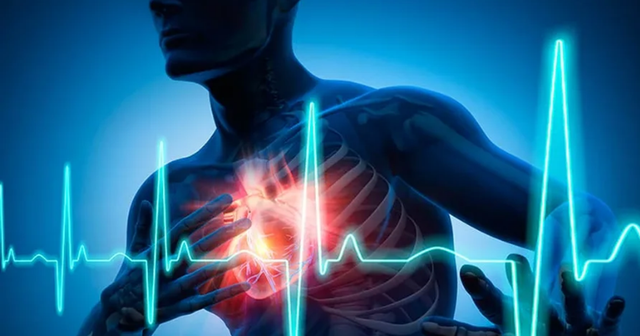
Perhaps cardiac arrest is not so sudden, according to a study recently published in The Lancet Digital Health, which claims that one in two people who suffered sudden cardiac arrest had at least one warning symptom 24 hours before the event, differing between the two genders.
Dr. Sumeet Chugh, research chair in Cardiac Electrophysiology and medical director of the Heart Rhythm Center in the Department of Cardiology at the Smidt Heart Institute (Cedars-Sinai Hospital, Los Angeles), emphasizes that early detection of warning symptoms can save lives, given that the vast majority of people who experience out-of-hospital cardiac arrest die within minutes.
Every year, 450,000 Americans die from cardiac arrest, according to the US National Heart, Lung, and Blood Institute. In Europe, one incident occurs every 45 seconds. In Greece, deaths from out-of-hospital cardiac arrest reach almost 80,000 each year, while in Attica, according to estimates by the Hellenic Cardiological Society, approximately 7-18 arrests occur each day, with one in five in public places, and of these, 50-85% are due to shockable (i.e. treated with an electric shock) rhythms.
Using data from two studies in Ventura, California, and Portland, Oregon, USA, on cardiac arrests and people who sought emergency medical care but did not survive the event, the researchers compared symptoms and found that 50% of people who suffered sudden cardiac arrest experienced at least one characteristic symptom the day before, chest pain for men and shortness of breath for women.
The study also found specific symptoms in smaller groups of men and women, such as increased heart rate, seizure-like symptoms, and flu-like symptoms.
Dr. Chugh emphasized that the two main symptoms do not necessarily mean an immediate cardiac arrest, but caution is needed when hypertension, diabetes or underlying heart disease coexist, adding that future apps or smartwatches (wearables) will be able to better identify people at increased risk of sudden cardiac arrest.
However, researchers report that chest pain that is unprecedented and accompanied by shortness of breath, a feeling of increased heart rate, dizziness, fainting, sweating, or nausea is an indication for immediate medical attention.
Happening now...













ideas



top


Alfa recipes


TRENDING 




services
- POLICE129
- STREET POLICE126
- AMBULANCE112
- FIREFIGHTER128