


Lajme flash
Nika Massacre: 30,000 dead hooligans... 1,500 years ago

2026-05-26 22:15:28 / MISTERE&KURIOZITETE
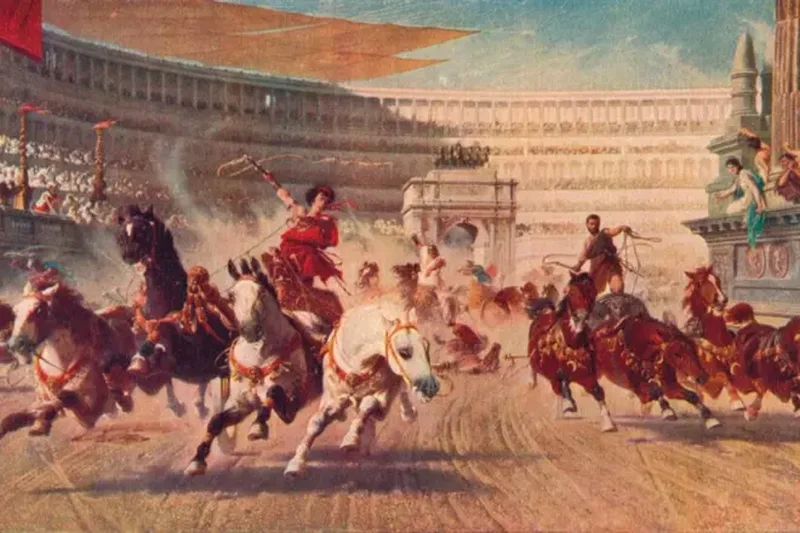
We usually say that the ultras phenomenon in sports reaches its peak in football, but this is not entirely accurate. Football is popular not only for its sporting values, but because it has become a social phenomenon, awakening one of the most basic human feelings: the sense of belonging. When someone chooses a team in their heart, they become part of a community, share its successes and work for its good.
This phenomenon is not exclusive to football or modern times. In 17th-century Spain, theaters had their own ultras, and 1,500 years ago, this phenomenon caused the first major sports-related tragedy: 30,000 deaths when hooligans attempted to seize power in the Eastern Roman Empire. That was 769 times more victims than the Heysel tragedy.
After the fall of the Western Roman Empire in 476, the Byzantine Empire remained a major power. With the advent of Christianity, many spectacles were banned: theater was banned and gladiators were condemned. Only chariot races remained, which were extremely popular. The Circus Maximus in Rome had a capacity of 130,000, and the competitor Gaius Appuleius Diocles earned during his career an amount that would be worth about $15 billion today.
In each city of the Empire, four teams competed: the Reds, the Greens, the Blues, and the Whites. Over time, only two remained: the Greens and the Blues. The races were violent: dirty maneuvers were common during the seven laps, and a crash could be fatal, as the brakes were tied around the body. Anyone who has seen the movie “Ben-Hur” can easily imagine.
In Byzantium, the races reached an even greater level than in Rome. Their hippodrome held 100,000 spectators, with a 450-meter-long track, decorated with marble, obelisks, and bronze sculptures of great artistic value, among them a chariot that can today be seen in St. Mark's Basilica in Venice.
Being Green or Blue went far beyond sports: one belonged to one's color from birth to death and in every aspect of life. Armed gangs on both sides operated with almost impunity, because they were judged by magistrates of the same color. Merchants and wealthy people financed their groups and used their influence to place supporters in the highest positions of the Empire.
It was said that even the emperors themselves supported one side, the Greens representing the popular classes, while the Blues represented the middle classes and aristocracy, and that loyalty to the colors was stronger than that to the state, family, or even religion. For this reason, the army was composed mainly of mercenaries, who had no affiliation with the factions.
Historia që çoi në tragjedi nisi kur një trajner arinjsh i të Gjelbërve u vra nga një prej kafshëve të tij. Gruaja dhe tri vajzat e tij, të mbetura pa mbështetje, hynë në arenën e hipodromit për t’i kërkuar mëshirë Perandorit, por u larguan mes fishkëllimave. Të Kaltrit i morën nën mbrojtje dhe familja kaloi në anën e tyre. Njëra nga ato vajza do të bëhej më vonë perandoresha Teodora.
Në vitin 532 atmosfera në Bizant ishte si një luftë e fshehur civile. Perandori Justinian, në pushtet prej pesë vitesh, kishte rritur taksat për të financuar luftën kundër Persisë,duke fituar urrejtjen e të dy palëve. I lodhur nga situata, ai urdhëroi ekzekutimin e personave të përfshirë në një incident të fundit, por një i Gjelbër dhe një i Kaltër arritën të shpëtonin dhe u strehuan në një kishë, të mbrojtur nga një turmë rebelësh.
Justiniani priti garat e Vitit të Ri me 13 janar për të falur të dënuarit dhe për të rikthyer qetësinë. Por të dy fraksionet kishin plane të tjera: bënë paqe mes tyre dhe, ndoshta me mbështetje brenda oborrit perandorak, planifikuan të merrnin pushtetin gjatë garave.
Dita erdhi. Thirrjet për lirimin e të burgosurve vazhduan pa përgjigje nga perandori, derisa në mes të garave britmat e të Gjelbërve dhe të Kaltërve u bashkuan në një të vetme: “Niká” (fitore). Kështu nisën Trazirat e Nikës, revolta e parë e madhe e ultrasve në histori.
Ndërsa Justiniani u strehua në Pallat, rebelët liruan të burgosurit, dogjën burgun dhe bashkë me të gjysmën e qytetit, përfshirë edhe bazilikën e parë të Shën Sofisë. Më pas plaçkitën Bizantin dhe në hipodrom kurorëzuan si perandor të ri një anëtar të familjes perandorake, Hipatin.
Në pallat, me pak forca dhe duke menduar arratisjen, ishte perandoresha Teodora ajo që ndryshoi rrjedhën e historisë. Ajo deklaroi se do të largohej nga pallati vetëm e vdekur dhe se, megjithëse ishin pak, kishin ende ushtarë. Urrejtja e saj ndaj të Gjelbërve, e krijuar që në fëmijëri, ishte absolute.
Pikërisht fanatizmi u bë shkatërrimi i rebelëve: meqë Hipati ishte i Gjelbër, të Kaltrit nisën të dyshonin dhe Justiniani negocioi fshehurazi neutralitetin e tyre. Gjatë kurorëzimit të Hipatit, gjeneralët Belisari dhe Mundus hynë në hipodrom me qindra mercenarë, gotë dhe hunë, dhe sulmuan kryesisht të Gjelbrit. 30 mijë ultras mbetën të vdekur në shkallët e stadiumit. Mes tyre edhe Hipati, të cilit askush nuk i kishte kërkuar mendim për ta shpallur perandor.
Kryengritja la pas 30 mijë të vdekur në hipodrom, mijëra të tjerë gjatë trazirave dhe gjysmën e qytetit të djegur. Por ultrasit nuk u zhdukën: hipodromi ishte shumë i rëndësishëm për jetën e qytetit. Brenda pak muajsh të Gjelbrit u rikthyen dhe vazhduan të ekzistonin derisa garat nisën të humbnin rëndësinë dhe u zhdukën përfundimisht. Rrënojat e hipodromit mbijetuan deri në shekullin XVII dhe edhe sot ruhen mbetje në Stambollin modern.
The ultras, it seems, never disappeared. They just changed colors. And as for chariot racing, it hasn't completely disappeared either: it's simply evolved with technology. Today we know it as Formula 1.
Po ndodh...


The "small flower" and the big problem of Rama and Berisha!
Nga Ermal Peçi
ide

It's not the Cauliflower Trust, it's the Aruba Cartel!
Nga Gjergj Erebara

Tri krizat dhe tri zgjidhjet
Nga Përparim Gjeka

Innocence for the liberators, so that history is not judged!
Nga Azgan Haklaj
top


TRENDING 


shërbime
- POLICIA129
- POLICIA RRUGORE126
- URGJENCA112
- ZJARRFIKESJA128