


FLASH NEWS
"Berisha works for family interests"/ Newsweek: Protesters in Albania feel unrepresented by both sides

2026-06-16 11:27:09 / POLITIKË
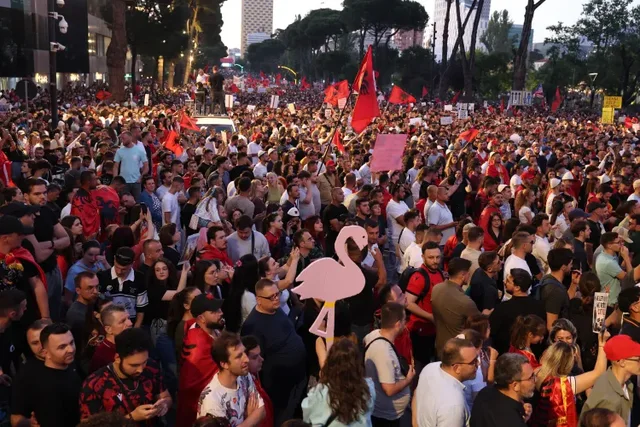
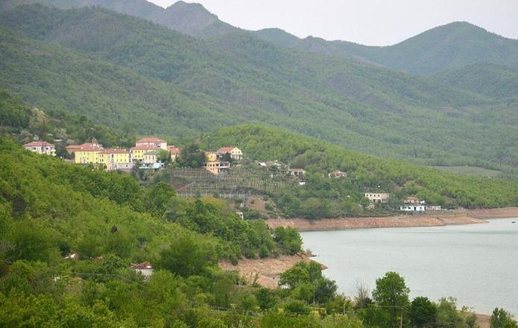
On the edge of a lagoon in southwestern Albania, connected to a small island by a wooden footbridge, stands a 14th-century monastery that has survived empires. The waters around Zvërnec are a protected marshland, home to migratory birds and one of the last stretches of untouched coastline in a country that has seen its natural heritage eroded along with its institutions. When plans emerged to build a luxury resort on this land, linked to an investment linked to Jared Kushner, people came out to defend it. Their anger was real and justified. But it was also the match, not the fire.
The Kushner project is not the cause of what is happening in Albania. It is a symptom. A resort of this scale could put Albania on the global tourism map, and the economic argument for investment in a country where tourism already accounts for about 22 percent of GDP is nothing. But the environmental concerns raised about Zvërnec are legitimate and deserve a serious and transparent public process. What happened instead was the same thing that always happens: national laws were quietly changed, a parliamentary majority was used to push it forward, and the public was left without a meaningful say. This model – not the project itself – is what opened something up.
Since coming to power in 2013, Edi Rama's government has promised transformation, modernization, and a clear path toward the EU. There have been achievements, particularly in infrastructure and urban development, but these have been overshadowed by a series of scandals involving corruption in tenders, government-linked oligarchs, and a complete lack of transparency.
The establishment of the Special Structure against Corruption and Organized Crime (SPAK) has only confirmed what many suspected, with former ministers arrested, former mayors of the capital arrested, senior officials investigated, and hundreds of millions of euros of taxpayers’ money linked to figures from within Rama’s own government. For many citizens, these are no longer isolated incidents, but symptoms of a deeper systemic problem.
Concerns extend beyond corruption alone. Costly infrastructure projects, unclear concessions, the concentration of economic interests, and the perception that political power serves narrow networks rather than the public good have fueled a growing sense of disenchantment. Each new scandal reinforces the belief that accountability remains elusive and that institutions are unable or unwilling to provide meaningful oversight.
Yet Albania’s crisis has also been shaped by the weakness of the opposition. Sali Berisha, its central figure, carries decades of political baggage. For many Albanians, he remains a symbol not of renewal but of a political system that has long failed to bring about real change. Issues of political influence, family interests and the lack of a compelling vision have left many citizens feeling unrepresented by either side.
This is the heart of today's protests. Albanians are tired of corruption in government, but equally frustrated by an opposition that has failed to present itself as a credible alternative. The political class that has dominated the country for decades no longer inspires confidence.
Protesters are not in the streets because of Jared Kushner or Trump. They are in the streets because their government has failed to deliver and because the alternative has failed to offer anything better. They are demanding justice, accountability, and a political class that actually governs in their interests.
What they are asking for is not simply a change of government, but a change in the way the system itself functions. And this demand speaks to something much bigger than Albania. One of the central challenges facing democracy today, globally, is that it is not enough to be a democracy in name. It must deliver results. When citizens begin to believe that their leaders are at best incompetent and at worst playing an inside game, the door to populism opens with immediate steps and authoritarian alternatives gain ground.
Democracy doesn't just lose to authoritarianism on the battlefield. It loses when it stops working for the people it is supposed to serve. What is happening in Albania is a warning, but it is also something more hopeful: citizens who have not given up, who are still on the streets, still demanding better, still insisting that their democracy live up to its name. This is not a crisis for democracy. This is democracy fighting for itself.
Rudina Hajdari is the Acting Program Director at the Institute for Global Affairs, where she directs the International Democracy Fellowship. She is a former member of the Albanian Parliament and has served on the U.S. House of Representatives Foreign Affairs Committee. The Institute for Global Affairs is a non-profit organization housed in Eurasia Group.
Happening now...




Attacks on Dumani and Berisha's silence on Ilir Shtufi
Nga Bato Kosova
ideas

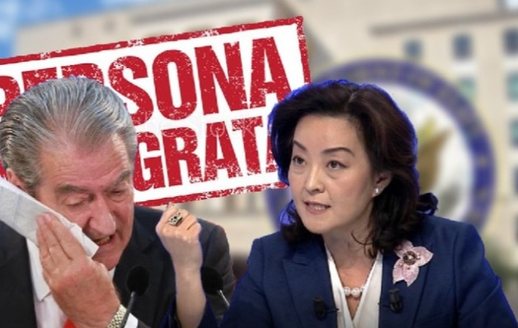
The Time Paradox: Did Time Prove Yuri Kim Right?
Nga Drin Kastrioti

Rama and Berisha, the losing battle with the public
Nga Alfapress
Trash or Treasure?/ There are photographs that are worth as much as a story
Nga Albert Zadrima
top


Alfa recipes







services
- POLICE129
- STREET POLICE126
- AMBULANCE112
- FIREFIGHTER128