


FLASH NEWS
The future of Inter in a dilemma/ On Tuesday Zhang loses his shares, the new owner becomes the American fund Oaktree

2024-05-20 19:14:46 / SPORT
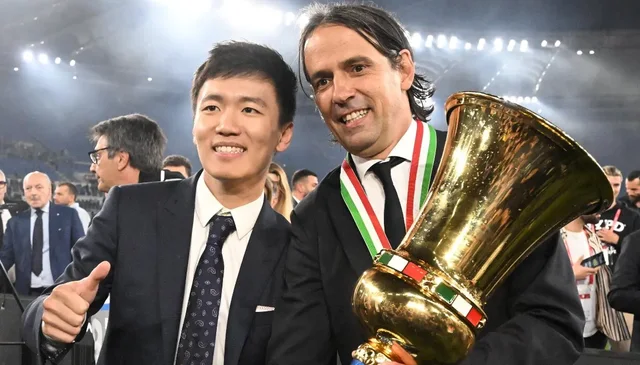
Zhang's match seems to have ended in an unfavorable result for him. This is implied by the painful statement, released yesterday, in which the current president accuses Oaktree of "exasperating" with legal threats efforts to find an "amicable solution" with the fund, curiously defined as a "partner" and not a funder. .
A surreal message blaming the creditor for his bankruptcy. What is certain is that tomorrow the loan granted three years ago to the owners of Inter (not the Inter club) by the American fund, guaranteed by a pledge over 99.6% of the club's shares parked in a Luxembourg holding company, expires.
Oaktree's position is clear, like that of any creditor: it is waiting for the repayment of the loan, which should arrive on Tuesday, because tomorrow is a holiday in Luxembourg. If this does not happen, the procedure for the enforcement of the pledge will start immediately and the ownership of the shares will pass from Suning to Oaktree.
Inter, Oaktree is out of reach
In recent weeks, Zhang first requested an extension of funding which the fund denied, not having, as we had already reported in recent months, any tangible advantage. It then started looking for a new lender to refinance the Oaktree loan, but the negotiations started with the American fund Pimco do not seem to have yielded positive results.
In the absence of any sensational surprises, Oaktree will surely take ownership of Inter on Tuesday. In his statement, Zhang appeared to anticipate potential legal disputes, saying he hoped for a "peaceful resolution" but, in the absence of a full refund, Oaktree's position was unassailable.
After the foreclosure is executed, an appraiser will determine Inter's value (net of debt and deferred losses) and Oaktree will have to pay Zhang the excess of the 390 million required to repay the loan. It would be technically possible to convert this difference, if positive, into a minority share, which would allow Zhang, whose margins of maneuver remain very limited, to profit from a possible resale.
The future of Inter
Many wonder what will happen the day after the ownership change, especially if the management style and approach to the market will change. It should be noted that Oaktree did not plan to buy Inter, but financed Zhang in the hope that it would find a buyer and obtain the resources to repay the loan from the sale.
In three years, however, this has not happened despite research by Goldman Sachs and Raine. This does not mean that the fund should sell Inter immediately and under no circumstances. Indeed, the hypotheses of a buyer near the corner are not supported, logically impossible, precisely because in that case implementation would not have been achieved. Today, the proposals rumored by Arab investors seem even more unlikely.
Oaktree is likely to aim to ensure management continuity, primarily by confirming current management which has performed well under difficult conditions. But also ensuring the financial stability of the club, which will certainly not be endangered by the transition from an insolvent shareholder to a much more solid shareholder, as Zhang threatens in the statement.
However, Oaktree will hardly be able to push management's economic rebalancing (yet to be achieved) by covering deficits with continuous capital injections.
Funds move in a clear and predictable financial horizon. They set precise budgets that cannot be waived, as Elliott's virtuous experience with Milan shows. In big-name renewals, managers will have to follow established lines, just as the balance between purchases and sales is unlikely to turn negative in the short term.
-

-
Official/ Arne Slot, Liverpool's new coach
May 20, 18:51
Happening now...





83 mandates are not immunity for Rama's friends
Nga Gentian Gaba
ideas



top



Alfa recipes


TRENDING 




services
- POLICE129
- STREET POLICE126
- AMBULANCE112
- FIREFIGHTER128