


FLASH NEWS
REL Analysis: Signals that show Montenegro is close to EU membership

2025-12-10 13:35:27 / BOTA
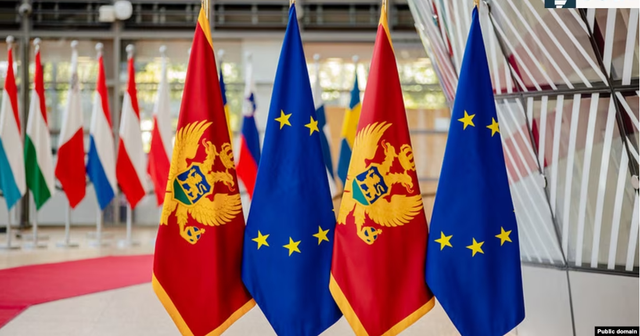
After the European Commission published its annual enlargement report on November 4, providing detailed assessments of the countries aspiring to join the European Union – Kosovo, Albania, Bosnia and Herzegovina, North Macedonia, Montenegro, Serbia, Turkey, Ukraine and Georgia – it is now up to the bloc's 27 member states to express their position by adopting the so-called enlargement conclusions on December 16.
Since this document must be approved unanimously, it is often less critical than the EC's – and much shorter.
An advanced draft, which Radio Free Europe has seen, appears to follow the logic of the EC's conclusions: Albania, Moldova, Montenegro and Ukraine are considered the countries that have made the most progress, and the EU is looking to add at least one more country before the end of the decade.
The most obvious signal in the document relates to Montenegro and its progress towards membership.
As expected, the two key points are placed in brackets, meaning that EU member states have not yet agreed on them.
One of them states that the country “has made further progress in the accession negotiations and that 12 negotiating chapters have now been provisionally closed”. The number 12 continues to be in brackets. This is because Podgorica has so far managed to close seven of the 33 policy chapters it needs to close in order to join the bloc. However, there is still hope in Brussels that up to five more chapters will be concluded by the Christmas holidays, although diplomats with whom Radio Free Europe spoke suggested that the final number could be lower.
The second signal in the document is that this small Western Balkan state is getting closer and closer to soon becoming the 28th member state.
Another sentence placed in brackets states that “The Council decides that the ad hoc Working Group for the drafting of the accession treaty with Montenegro will be established in 2025.”
The Council, where EU member states meet in Brussels, is filled with various working groups, in which diplomats tackle various policy issues from the early stages.
The fact that a group tasked with drafting an accession treaty with Montenegro is about to be established is a sign that things are getting serious. The drafting of these treaties comes immediately after the closure of all negotiation chapters and represents the last political act before accession.
But not everything is encouraging for Montenegro. Even some of the "homework" on what it needs to do to complete the "final part" of the road to Brussels has not yet been clearly defined.
Teksti thotë se Mali i Zi duhet të përmirësojë kapacitetin e tij administrativ dhe legjislacionin zgjedhor, veçmas sa i përket përshtatjes me standardet e BE-së për financimin e partive politike dhe fushatave zgjedhore.
Çështja madhore, megjithatë, është korrupsioni, me dokumentin që paralajmëron se “numri i dënimeve të formës së prerë në rastet e korrupsionit të nivelit të lartë mbetet i ulët”. Ai po ashtu thekson “nevojën që Mali i Zi të përmirësojë rezultatet e tij në lidhje me hetimet dhe ndjekjet penale në rastet e korrupsionit të nivelit të lartë dhe krimit të organizuar, duke siguruar dënime të formës së prerë, masa ndëshkuese, sekuestrim dhe konfiskim të pasurive”.
Nuk është befasi që lufta kundër korrupsionit është motivi kryesor për të gjitha vendet që kanë përparuar në procesin e integrimit. Në tekst nuk përmendet drejtpërdrejt skandali i fundit ukrainas që e detyroi të japë dorëheqje në fund të nëntorit Andriy Yermak, krahu i djathtë dhe shefi i stafit i presidentit ukrainas, Volodymyr Zelensky.
Megjithatë, puna e Byrosë Kombëtare Kundër Korrupsionit e Ukrainës dhe Zyrës së Prokurorit të Specializuar Kundër Korrupsionit, që ndihmoi në rrëzimin e Yermakut është përshëndetur: Këshilli vlerëson pozitivisht rezultatet e arritura nga agjencitë më 2025, përfshirë një numër të konsiderueshëm hetimesh, veçmas në rastet e korrupsionit të nivelit të lartë. Dokumenti inkurajon fuqishëm Ukrainën që të vazhdojë përpjekjet për të “përmirësuar edhe më shumë rezultatet dhe kapacitetet në këtë fushë”.
Raporti për zgjerim po ashtu paralajmëron politikanët ukrainas që të mos tentojnë të minojnë këto dy institucione, diçka që Zelensky tentoi ta bënte gjatë verës para se të tërhiqej nga vendimi për shkak të zemërimit të publikut. Dokumenti thotë se Brukseli se “do të mbetemi vigjilent për këtë çështje dhe nënvizojmë nevojën për t’u siguruar që në të ardhmen të mos ketë asnjë ndërhyrje ligjore ose politike për të ndikuar në punën e këtyre institucioneve”.
Për Moldavinë, teksti është pozitiv për luftën kundër pastrimit të parave dhe përpjekjeve për atë që njihet si “deoligarkizëm”. Megjithatë, as Moldavia e as Ukraina nuk do të avancojnë në rrugën e tyre drejt anëtarësimit në BE gjatë këtij viti. Hungaria e ka bërë të qartë se nuk do t’i japë dritën jeshile hapjes së ndonjë kapitulli me Kievin dhe Moldavia ende po tenton që të ndahet nga Ukraina në rrugën drejt bllokut.
Në vend të kësaj, shumica e kryeqyteteve të BE-së kanë pranuar që të presin derisa të mbahen zgjedhjet parlamentare në prill në Hungari për të parë nëse do të ketë ndonjë ndryshim qëndrimi nga Budapesti. Teksti ofron pak sa i përket asaj se çfarë do të ndodhë me Kievin dhe Kishinjevin, teksa aty thuhet vetëm se Këshilli pret me padurim hapjen e kapitujve të parë për dy shtetet kandidate “sapo të plotësohen kushtet”.
For Albania, which recently managed to open all 33 chapters within 13 months (a record time for an EU candidate country), there is no indication of when the closing of files will begin, a process that is more difficult.
While the fight against corruption is also a key condition for Albania, the document emphasizes the need to improve the media landscape in the country, increasing the transparency of media ownership, ensuring the decriminalization of defamation, and strengthening civil society in general.
For the other aspiring countries, the text is largely mixed, except for Georgia, which has been heavily criticized for “backsliding democracy” in recent years. While it does not call the country a “candidate in name only” as the European Commission did in its report, the Council says that “the actions of the Georgian authorities do not meet the EU’s expectations of a candidate country” and that “Georgia’s EU accession process is blocked until the authorities show a commitment to change their stance and get back on track for EU membership.”/ REL
Happening now...

Karmën nuk e ndalon dot Sali Berisha!
Nga Bato Kosova
ideas

Lapaj's chair protest and the Helmeted Philosopher!
Edmond Xhini

Why did 35 opposition MPs sign in favor of Endri Shabani as People's Advocate?
Nga Kreshnik Spahiu
The chains we put on ourselves!
Nga Arian Galdini
top
Alfa recipes
TRENDING 



services
- POLICE129
- STREET POLICE126
- AMBULANCE112
- FIREFIGHTER128