


FLASH NEWS
Public Television in Poland: Anger over corruption turns to violence in Albania

2026-03-23 20:08:13 / POLITIKË
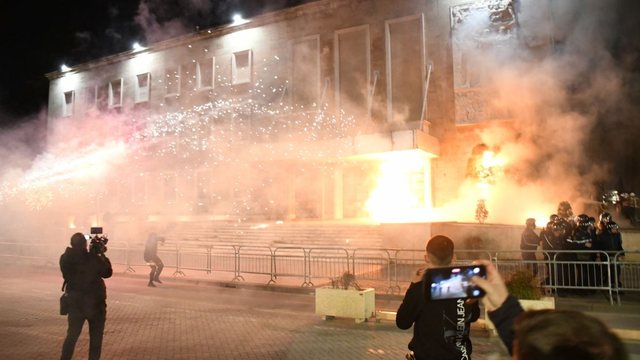
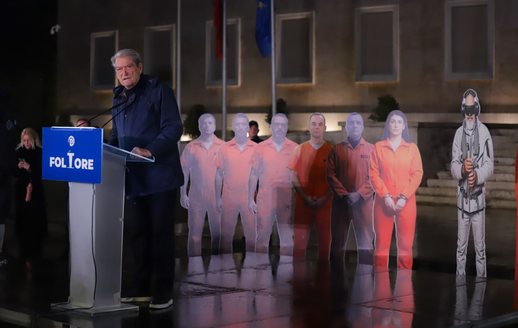
Growing anger over alleged systemic levels of corruption in the Albanian state erupted on Sunday evening, with the capital Tirana experiencing some of the worst acts of violence in years.
Police used water cannons and tear gas against anti-corruption protesters, after Prime Minister Edi Rama's office and ministry buildings were hit with fireworks and Molotov cocktails.
The fiery night reflected growing dissatisfaction in Albania with Rama's Socialist Party, which won a landslide victory in last year's general election, taking 82 seats in the 140-seat parliament.
The May victory also gave Rama and his party a fourth consecutive term in power.
But any euphoria about this landslide victory and securing a majority has been tempered by numerous allegations of corruption and links between the state and organized crime, which threaten the country's political stability.
Albania is no stranger to corruption. High levels of this phenomenon have plagued the country since the fall of the brutal communist regime in the early 1990s, which had reduced the country to one of the poorest in the world.
However, in recent years, Albania seemed to be moving in the right direction. The Special Structure Against Corruption and Organized Crime (SPAK), the institution on the front lines of the fight against corruption, has built a strong reputation for pursuing individuals previously considered untouchable.
Ilir Meta, former prime minister, Ilir Beqaj, former minister of health, and Sali Berisha, former president and leader of the Democratic Party, the main opposition party, have faced investigations by SPAK on various corruption charges, although all have declared their innocence.
But since the election, government critics say the country has taken a darker turn that could undermine the progress achieved.
SPAK under pressure
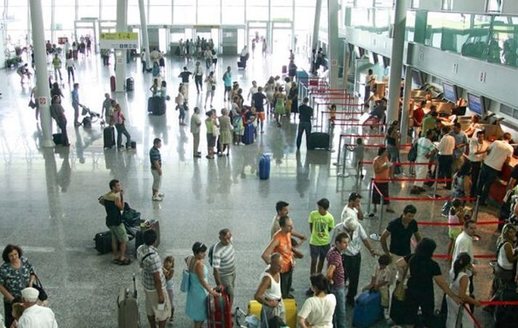
In November, the suspected head of a mafia family was killed in broad daylight at Tirana's main airport, in a daring act of violence that some see as evidence of the country's growing role as a hub for cocaine from South America entering Europe.
In an opinion piece published in the Washington Times in December, Berisha — the same person who has been investigated by SPAK — claimed that Albania risks becoming a narco-state, as the distinctions between the state and organized crime are blurring.
Against this backdrop, there are fears that the government is trying to restrict SPAK.
In October, Belinda Balluku, Deputy Prime Minister and Minister of Infrastructure, was accused of interfering in public procurement for road construction.
She was dismissed from office, but earlier this month, the Socialist Party-dominated parliament rejected SPAK's request to lift her parliamentary immunity. Rama has also proposed a new law that would prevent SPAK and a special anti-corruption court from suspending public officials.
Albania also fell three points from a year ago to 39 points in Transparency International's 2025 Corruption Perceptions Index, now ranking 91st out of 182 countries.
All of this added to the anger that erupted in the streets on Sunday, but another factor could be the possibility that corruption scandals could damage Albania's progress towards European Union membership.
It doesn't look good in Brussels.
Albania has been a candidate country since 2014 and has since made steady progress towards membership, with the European Commission even praising the country in a report published on March 5 for its "encouraging results" in the fight against corruption.
But the Balluk scandal could tarnish this progress.
Reacting to the news that the Albanian parliament rejected SPAK's request, a European Commission spokesperson told Politico: "The EU takes note of the results of today's vote in the Albanian parliament. Commitment to the rule of law and the fight against corruption are essential for the EU accession process."
“Creating an enabling environment for SPAK to effectively carry out its work is essential to credibly support Albania’s progress towards EU membership.”
Protesters on Sunday demanded the resignation of Rama and his government, as well as its replacement with a caretaker government. If this does not happen, the protests could continue.
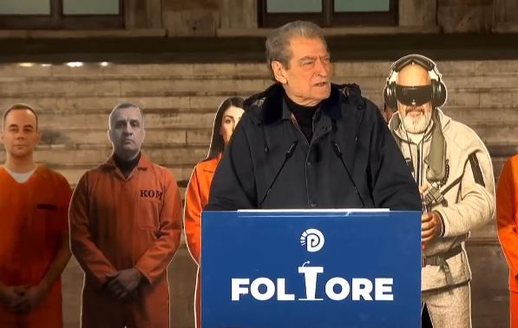
Berisha told the crowd on Sunday that “there can be no peace in this country with those who steal and enrich themselves,” adding that those responsible “will end up in the dustbin of history.”/ Translated by Alfapress.al, taken from Tvpworld.com
Happening now...

Digital education, how to help students think critically in the age of social media
Mirela Çërraga Karabina


ideas


top

Alfa recipes


TRENDING 



services
- POLICE129
- STREET POLICE126
- AMBULANCE112
- FIREFIGHTER128