


FLASH NEWS
Wimbledon opens up to technology: Bernardes talks about the future of referees and tennis

2026-03-25 23:49:44 / SPORT
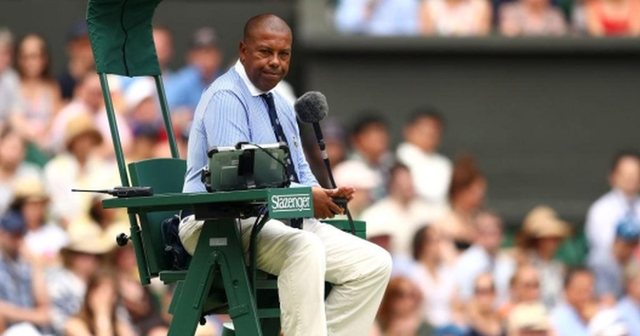
The introduction of video review at Wimbledon marks a symbolic step for a sport that has always been at the crossroads of tradition and innovation. We spoke to Carlos Bernardes, a veteran chair umpire who has refereed three Grand Slam finals, the ATP Finals, the Olympics and matches of 24 number 1s in tennis history, about the development. Bernardes is reporting from Brazil, awaiting his return to Bergamo, where he has moved for the love of his wife, Francesca Di Massimo, who is also a tennis umpire. With a lifetime on tour, Bernardes retired at the end of 2024, having experienced all the changes and evolutions in tennis.
Bernardes sees the introduction of video review as inevitable, noting that “it had to happen sooner or later,” as other Grand Slam tournaments, such as the US Open and Australian Open, as well as many other Tour events, have already adopted the system. He admits that such a tool would have made his job “much easier” in delicate moments, reducing the discussions and uncertainty surrounding player protests. With the technology, umpires feel more protected, as they are no longer required to make in or out calls, removing them from the spotlight and significantly reducing difficult decisions.
However, Bernardes points out that the influence of referees on important decisions has been significantly reduced. He warns that the problem with video review or Hawk-Eye is that it removes the burden of human error. With everything being automatic, “in theory the emotions shouldn’t change, but it becomes a bit like a video game.” He recalls an episode from the Olympics where he would have liked video review for a touch of the ball on a player’s racket, a crucial point that he didn’t see or hear, and where VAR could have confirmed the fact.
The relationship with players, traditionally based on trust, has changed. Bernardes notes that "there is no longer that kind of contact between players and referees," as matches are played with fewer interruptions due to discussions about decisions. Today, he emphasizes, it is more important to explain to the public or television why a player wants to use VAR or to clarify the final decision.
Looking to the future, Bernardes finds it hard not to think that the referee could be replaced, sooner or later, citing the former Australian Open director's idea of controlling everything from off-court. He is convinced that technology is here to stay, not just in tennis, but in our lives in general. The game has become faster, with less discussion and fewer tense moments.
The relationship between players and referees has changed and will continue to change more and more. He makes a comparison with football, where attention often shifts from the goalscorer to the referee waiting for VAR confirmation. Bernardes concludes by saying that he would not bet against the disappearance of the chair umpire, highlighting the rapid evolution of technology. This article is taken from Smash, the G+ newsletter on the secrets of great tennis, curated by Federica Cocchi./ Taken from La Gazzetta dello Sport
Happening now...












ideas

Saliu's horse, Ed's taggia
Nga Adrian Thano

Italy/ Investigations, laws and poisons, the eternal clash between politics and justice
Nga Giovanni Bianconi
top


Alfa recipes



TRENDING 




services
- POLICE129
- STREET POLICE126
- AMBULANCE112
- FIREFIGHTER128