


Lajme flash
Gold loses traditional "safe haven" status amid US-Iran-Israel tensions

2026-06-15 11:19:54 / MISTERE&KURIOZITETE
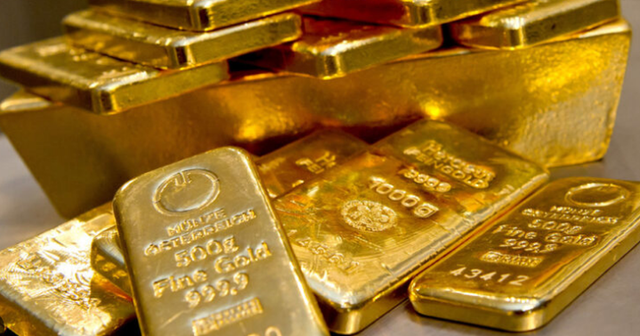
In theory, gold is considered one of the safest assets in times of global crisis. When wars break out, inflation rises, or economic uncertainty increases, investors typically flee volatile stocks and currencies and head for gold, driving up its price.
But this time the situation is developing differently. Despite a long war and ongoing tensions between the United States, Israel and Iran, the price of gold has fallen significantly. From a peak of around $5,303 per ounce in late January, it has recently fallen to around $4,235.
According to market data, the main reason is not a lack of uncertainty, but the way major economies, especially the United States, are reacting. The conflict in the Strait of Hormuz has contributed to the increase in oil and gas prices, triggering a wave of inflation in global markets. Inflation in the United States has reached 4.2%, the highest level in the last three years.
Under normal circumstances, such a situation would push the price of gold higher, as investors see it as a hedge against inflation. However, this time the markets are being influenced more by another key factor: interest rates.
The US Federal Reserve is not signaling an immediate cut in interest rates. On the contrary, there is a possibility that they will remain high or even rise further to curb inflation. This is crucial for gold, as it is a “non-interest” asset and does not generate income like bonds or bank deposits.
When interest rates are high, investors tend to choose financial instruments that offer guaranteed returns, making gold less attractive and putting pressure on its price, Al Jazeera reports.
Another important factor is the strengthening of the US dollar. Since gold is traded in dollars, a stronger dollar makes gold more expensive for international buyers, reducing demand and therefore the price.
According to financial analysts, markets are currently being influenced by expectations that interest rates could remain high throughout the year, which is keeping gold under constant pressure. Although geopolitical conflicts usually increase the price of gold, this time the economic effects are neutralizing their impact.
Experts point out that any improvement in the geopolitical situation, such as a peace agreement or a reduction in tensions in the Middle East, could positively affect the price of gold. However, even in that case, economic factors such as monetary policy and interest rates will continue to be decisive.
In summary, the decline in the price of gold is not only related to the geopolitical crisis, but to a broader combination of economic factors: high inflation, expectations for high interest rates and the strengthening of the US dollar, which together are keeping gold under pressure, despite its traditional role as a "safe haven" in times of uncertainty.
Po ndodh...


The "small flower" and the big problem of Rama and Berisha!
Nga Ermal Peçi
ide

It's not the Cauliflower Trust, it's the Aruba Cartel!
Nga Gjergj Erebara

Tri krizat dhe tri zgjidhjet
Nga Përparim Gjeka

Innocence for the liberators, so that history is not judged!
Nga Azgan Haklaj
top


TRENDING 


shërbime
- POLICIA129
- POLICIA RRUGORE126
- URGJENCA112
- ZJARRFIKESJA128