


FLASH NEWS
New York Times Interview/ Harari: The Mistake Strong Leaders Always Make

2026-05-26 23:03:24 / POLITIKË
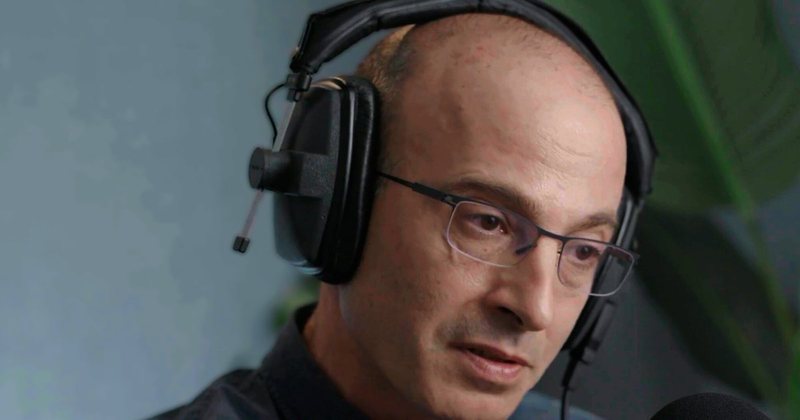
In a lengthy interview with The Ezra Klein Show in the New York Times, Israeli historian Yuval Noah Harari talks about Trumpism, right-wing populism, nationalism, Israel, war, social media and Artificial Intelligence. But the axis of the entire conversation is a single idea, that humanity has not progressed through violence, but through the ability to cooperate.
The interview begins with a statement by Stephen Miller, a senior Trump administration official, who says that the real world is ruled by “force, power, and might.” Harari vehemently rejects this worldview.
"The entire history of philosophy and spirituality is a debate with precisely this view: that the only reality is power, the only reality is force. From a historian's perspective, it is clear that this is not true," says Harari.
According to him, if brute force were the only human reality, people would still live in small hunting bands on the savannas of Africa. What has made man build civilizations, states, institutions and global economies is not the ability to hit harder, but the ability to convince millions of people to cooperate and trust each other.
For Harari, the mistake of authoritarian leaders is that they confuse power with stability. They think that international order can be built on a hierarchy of the strong and the weak, where the weak must be obeyed to avoid war. But history, he says, shows otherwise.
If the world accepts this logic, every state will be forced to arm itself as much as possible, because no one can survive weak. The result is not security, but more fear, more armies, less money for health, education, and welfare.
Harari recalls that one of the greatest achievements of recent decades has been the fact that humanity, for the first time in history, has spent more on average on health than on the military. This, he says, was made possible because after World War II a global taboo was created against the invasion and annexation of other countries by force.
If this taboo is broken, he warns, the world will return to the age of empires and endless wars.
"This vision, that world peace and order are based on a hierarchy of the strong and the weak, where the weak always obey the strong and thus buy peace, has been tried for thousands of years. And we know where it leads: on the one hand to empire, on the other to endless wars," says Harari.
Historiani e ndërton argumentin e tij se bashkëpunimi përmbys forcën mbi lenten e sistemeve të organizimit shoqëror. Kjo është arsyeja se pse një pjesë e rëndësishme e intervistës i kushtohet liberalizmit. Harari e sheh rendin liberal global si një nga arritjet më të mëdha politike dhe morale të njerëzimit, por pranon se sot ai është në krizë të thellë.
Sipas tij, në shekullin XX njerëzimi kishte tre histori të mëdha politike. Fashizmi thoshte se historia është luftë mes kombeve dhe racave, ku fiton më i forti. Komunizmi thoshte se historia është luftë mes klasave. Liberalizmi, ndryshe nga të dyja, tha se historia nuk ka pse të jetë domosdoshmërisht konflikt. Ajo mund të jetë bashkëpunim.
Thelbi i liberalizmit, sipas Hararit, është se njerëzit, pavarësisht racës, kombit, klasës apo fesë, ndajnë nevoja të përbashkëta biologjike dhe psikologjike. Ata kanë nevojë për dashuri, njohje, siguri dhe dinjitet. Duke njohur këto interesa të përbashkëta, shoqëritë mund të ndërtojnë një botë më të mirë për të gjithë.
Por sot, sipas tij, kjo histori është dobësuar. "Shtëpia" e përbashkët që ndërtoi liberalizmi ende funksionon, por askush nuk po e mirëmban më.
“Është si një shtëpi e mrekullueshme ku jeton gjithë njerëzimi. Sistemet ende punojnë disi, uji, kanalizimet. Askush nuk kujdeset më për to, por janë ndërtuar aq fort sa vazhdojnë të funksionojnë. Por nëse jeton në një shtëpi dhe askush nuk e mirëmban, pas një viti, pesë vitesh apo dhjetë vitesh, ajo shembet. Dhe atëherë është tepër vonë”, shpjegon Harari.
Një kritikë që Harari i bën liberalizmit modern është se ka humbur lidhjen me idenë e “vëllazërisë”, pra me ndjenjën e përkatësisë kombëtare dhe kujdesit për njerëzit e tjerë brenda të njëjtës shoqëri. Ai kujton se Revolucioni Francez nuk kishte vetëm “liri” dhe “barazi”, por edhe “vëllazëri”.
Dhe këtu Harari shkrin liberalizmin modern me konceptin së fundmi problematik të nacionalizmit, për të cilin historiani thotë se po anatemohet (pjesërisht) padrejtësisht.
Sipas Hararit, nacionalizmi nuk është domosdoshmërisht urrejtje ndaj të huajve. Në thelbin e vet, nacionalizmi është dashuri për një numër shumë të madh njerëzish që nuk i njeh personalisht, por për të cilët je gati të sakrifikosh. Problemi nis kur nacionalizmi kthehet në urrejtje ndaj të tjerëve dhe, akoma më keq, në përçarje brenda vetë kombit.
Në këtë pikë, Harari jep shembullin e Izraelit dhe kryeministrit Benjamin Netanyahu. Ai thotë se askush nuk e ka përçarë kombin izraelit më shumë se Netanyahu dhe, në këtë kuptim, ai ka qenë armiku më i madh i nacionalizmit izraelit.
Intervista prek gjatë edhe luftën në Gaza dhe marrëdhënien e Izraelit me pushtetin. Harari, vetë izraelit, thotë se tradita hebraike 2 mijëvjeçare ka qenë e ndërtuar mbi mësimin, studimin, tolerancën dhe përvojën e të qenit pakicë. Por sot, sipas tij, një pjesë e politikës izraelite po e zëvendëson këtë trashëgimi me logjikën romake të forcës, legjioneve dhe shkatërrimit të qyteteve.
Ai nuk thotë se Izraeli nuk ka nevojë për ushtri. Përkundrazi, ai pranon se forca është e nevojshme për sigurinë. Por e sheh si katastrofale idenë se forca është e vetmja gjë që garanton sigurinë.
Për Hararin, është më mirë të kesh edhe ushtri të fortë, edhe marrëveshje paqeje, sesa vetëm ushtri. Ai kujton se pas 7 tetorit, marrëveshjet e paqes së Izraelit me Egjiptin, Jordaninë dhe vendet e Gjirit qëndruan. Edhe marrëdhëniet me Autoritetin Palestinez dhe qytetarët palestinezë të Izraelit nuk u shembën siç shpresonte Hamasi.
Në kuadër të logjikës se bashkëpunimi (dhe jo forca) është motori perpetual i përparimit të njerëzimit, Harari prek edhe aftësinë e njeriut për të qenë empatik. Por këtu ka një problem të madh, mungesa e empatisë. Kjo është arsyeja pse një nga pjesët më të forta të intervistës lidhet me (pa)aftësinë për të kuptuar dhe përjetuar vuajtjen.
Harari thotë se njerëzit, kur janë vetë në dhimbje, shpesh nuk janë në gjendje të pranojnë dhimbjen e palës tjetër. Shumë izraelitë, sipas tij, nuk arrijnë të shohin vuajtjen palestineze, ashtu si shumë palestinezë dhe mbështetës të tyre nuk arrijnë të shohin vuajtjen izraelite.
“Kaq e vështirë është për qindra miliarda sinapse në trurin njerëzor të mbajnë dy ide në të njëjtën kohë. Ka një tërheqje drejt historisë së thjeshtë, ku ka vetëm të mirë dhe të këqij. Nuk arrijmë të pranojmë se ka dhimbje në të dyja anët: se izraelitët vuajnë dhe palestinezët vuajnë gjithashtu”, thotë Harari.
Kur forca dominon mbi bashkëpunimin ka gjithmonë një element që ndihmon të parën. Ky element, sipas Hararit, është keqmenaxhimi emocional. Dhe këtu, në pjesën e fundit, intervista kthehet pikërisht te roli gjithnjë e më i madh që kanë teknologjia dhe Inteligjenca Artificiale.
Harari argumenton se rrjetet sociale kanë dëmtuar shoqëritë sepse algoritmet e tyre nuk janë ndërtuar për të prodhuar të vërtetë apo besim, por angazhim/ndërveprim (enganement). Dhe mënyra më e lehtë për të krijuar angazhim është të shtypësh tastet e urrejtjes, frikës, zemërimit dhe lakmisë në mendjen njerëzore.
Sipas tij, bota sot është “hiper-e angazhuar” dhe “hiper-e eksituar”. Njerëzit jetojnë në një gjendje të vazhdueshme nervoze dhe të acaruar, sepse algoritmet kanë mësuar të kapin dobësitë tona evolucionare.
But the danger of Artificial Intelligence, according to Harari, goes beyond social networks. AI will not necessarily fight robots in the streets, like in science fiction movies. The biggest danger may be quieter and deeper. AI could change the way people create connection, love, trust and identity.
Harari talks about “ hacking ” privacy. If social networks fought for our attention, AI is entering the battle for our relationships. Chatbots can become friends, emotional partners, advisors, and constant sources of appreciation. Especially for children, this can create a relationship model where the “other” is always 100% focused on them and there are no human needs, annoyances, or boundaries.
"The real danger of AI is things like millions of artificial boyfriends and girlfriends changing the psychology of the next generation, changing the deepest tendencies and structures of the human mind," warns Harari.
Another strong idea of his is comparing Artificial Intelligence to a new wave of immigration. According to Harari, the world is facing new “immigrants,” but not people who come by boat or without visas. These are AI entities that enter all countries at the speed of light.
Like human immigrants, he says, AI will take jobs, change culture, and may not be politically loyal to the countries it operates in. In fact, it may initially be loyal to the companies or countries that create it, and then perhaps only to itself.
For this reason, Harari proposes a clear legal boundary. AI should not be recognized as a legal person. The historian warns that if Artificial Intelligence systems are allowed to have bank accounts, open companies, manage money or influence politics without human responsibility, societies could lose control.
To sum up, Harari's main message is simple. Humanity has become powerful not because it is the most violent, but because it knows how to tell stories and cooperate around them. But when stories turn to hate, when technology exploits our weaknesses, and when leaders believe that force is the only language of the world, the very basis of human cooperation is at risk. Add to this the intelligent new player who has never been there, in our history, to assist strong leaders in sowing more hatred, and we have the perfect recipe for regression.
The mistake that the "strong " always make , according to Harari, is that they forget that power without trust does not build order, it only builds fear. And fear, in the end, does not produce peace, but endless wars. / Prepared by AK ©LAPSI.AL
Happening now...











ideas

Enver-Sali!
Nga Indrit Vokshi

Idolaters and idolatry have nothing to do with democracy!
Nga Ardi Stefa

top



Alfa recipes








services
- POLICE129
- STREET POLICE126
- AMBULANCE112
- FIREFIGHTER128