


FLASH NEWS
Once owned by Pablo Escobar/ Colombia seeks to eliminate them, Russia and India attempt to save the "cocaine hippos"

2026-05-21 19:12:34 / BOTA
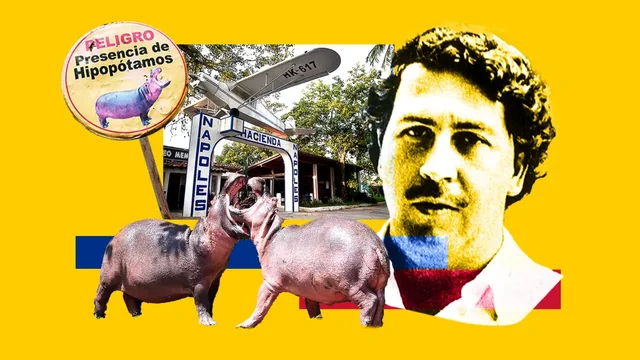
Russia is leading an international effort to save 80 descendants of so-called "cocaine hippos," once owned by Colombian drug lord Pablo Escobar, said the head of the Global Union of Zoological Institutions (GUZI), Svetlana Akulova.
Colombian authorities plan to euthanize the animals, which they see as a growing invasive threat.
Akulova, who is also the director of the Moscow Zoo, described the effort as an "unprecedented international campaign" to save the animals.
Escobar imported four hippos from Africa for his private zoo in the 1980s. After he was killed in 1993, the animals were left on his abandoned property and eventually escaped to surrounding villages, where they multiplied unchecked.
According to local authorities, the herd has grown to nearly 200 animals and could exceed 1,000 within a decade. They say the hippos are destroying riverbanks, disrupting local ecosystems and increasingly coming into conflict with nearby communities and fishermen.
Environment Minister Irene Velez has defended the planned culling of animals as necessary to protect Colombia's ecosystems.
Authorities have long argued that relocating the animals was impossible, while animal rights activists have strongly opposed the euthanasia plan. Senator Andrea Padilla called the move “cruel,” writing in X that “massacres will never be acceptable.”
GUZI said it had called on Colombian authorities to stop the euthanasia plan and instead transfer the animals to zoos and reserves accredited by the association.
India's Vantara, one of the world's largest animal rescue and rehabilitation centers, has joined the Russian-led effort and offered to relocate the hippos to a specially designed shelter.
“These 80 hippos did not choose where they were born, nor did they create the circumstances they face now,” Anant Ambani, founder of Vantara, said in a statement. “They are living, sentient beings, and if we have the ability to save them through a safe and humane solution, we have a responsibility to try,” he added.
GUZI said it was also working on an "equitable distribution" of animals among accredited institutions to address genetic problems caused by the herd's limited gene pool.
Happening now...












Molotov cocktail on Saturday, shopping on Thursday!
Nga Bato Kosova
ideas



top



Alfa recipes








services
- POLICE129
- STREET POLICE126
- AMBULANCE112
- FIREFIGHTER128