


FLASH NEWS
"The consequences will be severe!"/ BBC analysis: How Iran could react to Donald Trump's 48-hour ultimatum to open the Strait of Hormuz

2026-03-22 11:08:45 / BOTA
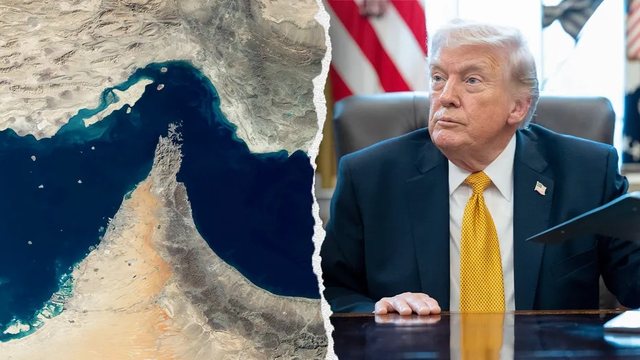
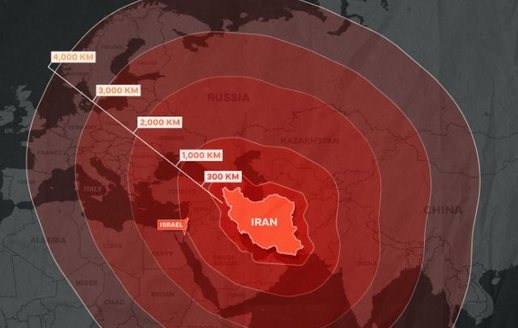
The BBC has analyzed the ways in which Iran could react to President Donald Trump's 48-hour ultimatum to open the Strait of Hormuz, illuminating Tehran's dilemmas and the scenarios that could determine the development of the conflict.
While Iran has so far warned that it will respond with attacks on US-linked energy infrastructure in the Persian Gulf, it has left open the possibility of controlled navigation in the Strait of Hormuz. As noted, ships not affiliated with “hostile states” can pass safely if they coordinate with Iranian authorities.
According to the analysis, control over navigation is Iran's strongest card in this conflict. Lifting the de facto blockade of the strait would mean losing the main pressure that Tehran exerts.
An Iranian citizen describes the climate within the country with the words: "What other card do they have to play?", highlighting the awareness that the Strait of Hormuz is the regime's main negotiating tool.
The BBC notes that if Donald Trump carries out the threat of attacks on energy targets, the consequences for Iran will be extremely severe. However, the analysis highlights that the Iranian leadership has historically shown a willingness to face huge economic and social costs to preserve the regime and its “revolutionary values.”
The country has already endured years of Western sanctions and a brutal crackdown on domestic protests. Earlier this year, thousands of people were killed in anti-government protests, and this week three men accused of killing police officers were executed in cases that rights groups say were based on confessions obtained under torture.
One possible scenario is that Iran chooses not to withdraw immediately, testing the limits of the US threat. The BBC reports that Tehran may hope that pressure on the Gulf states will lead to diplomatic intervention in Washington for de-escalation.
Iranian Foreign Minister Abbas Araghchi has stated that several countries in the region have contacted Tehran to seek a solution, with Oman playing an active role in diplomacy.
Of particular importance are the choices of the Gulf states, which are caught between conflicting pressures. On the one hand, their economies depend heavily on energy and, in some cases, tourism and the image of security they promote. On the other, they see Iran as a direct threat to their stability and way of life.
The BBC concludes that the decisions of these countries will decisively influence the course of the conflict, at a time when any move could lead either to de-escalation or a general escalation of tensions in the region.
Happening now...




ideas


GOOD MORNING
Nga Përparim Gjeka

Ballsh Refinery: The Loss of Albania's Energy Autonomy!
Nga Nako Petro
top





TRENDING 




services
- POLICE129
- STREET POLICE126
- AMBULANCE112
- FIREFIGHTER128