


Lajme flash
Massive oil spill off Oman coast, warning of ecological disaster

2026-08-14 13:25:00 / BOTA

A major oil spill off the coast of Oman is threatening marine ecosystems and communities that depend on fishing, as authorities and international teams struggle to contain the spread of the pollution.
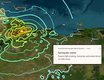
According to analysis of satellite images by Greenpeace, the oil is spread across several areas and does not form a single continuous mass.
By August 4, the affected area had reached about 600 square kilometers, while Omani authorities have warned citizens to avoid fishing in the affected areas and to report any unusual signs of pollution.
Markets are also expected to conduct checks on seafood products to detect the presence of contaminants.
Ships and aircraft, with more than 100 tons of equipment, have been engaged in the cleanup and rescue operation, while the work is being made more difficult by the conditions of the monsoon season.
The tanker with 800 thousand barrels of oil
At the center of the incident is the tanker Caroline Bezengi, which is said to be carrying around 800,000 barrels of oil. The ship, sanctioned and suspected of being part of Russia's so-called "shadow" fleet, suffered an unspecified incident on June 6 off the coast of Oman and was stranded near Al-Qibliyya Island on June 21.
The cause of the incident remains unclear. Some safety observers have reported an explosion on board, while authorities have not definitively determined what caused the damage to the tanker.
The spill was discovered in the first week of July and then spread rapidly. Omani authorities have confirmed that the oil has reached land, affecting about 40 kilometers of the Ras Madraqa coastline.
Danger for the rare Arabian Sea whale
The biggest concern is related to the ecological consequences. The affected area includes coral reefs, seagrass beds and nesting areas for endangered turtles, while it is also considered habitat for the Arabian Sea right whale, one of the rarest whale species in the world.
Experts warn that if oil seeps into the coastline and sediments, the consequences could last for years and severely damage ecosystems and communities that depend on the sea.
Meanwhile, the pollution is expected to move northeast and could also affect Masirah Island.
Another spill on Qeshm Island
A similar situation has been reported further north, in Iran, where another oil spill has affected Qeshm Island in the Strait of Hormuz.
Satellite images analysed by BBC Verify suggest the pollution may have come after an attack on the Minoan Pioneer on August 3. The oil then spread over a significant area of the strait.
Qeshm is rich in mangroves, coral reefs and nesting areas for the endangered Hawksbill turtle. For this reason, experts warn of significant damage to biodiversity and local fishing communities.
Recent incidents have also brought to light the danger posed by the “shadow fleet” of oil tankers, which are often old, poorly maintained vessels with unclear ownership or insurance. In the context of conflict and international sanctions, identifying those responsible and compensating for environmental damage becomes even more difficult.
Po ndodh...


ide


Signs of an Invisible Change: The Cracks That Are Transforming Albania
Nga Adri Nurellari

Guximi është frika që zgjat një minutë më shumë
Nga Ardi Stefa
top




TRENDING 



shërbime
- POLICIA129
- POLICIA RRUGORE126
- URGJENCA112
- ZJARRFIKESJA128